James Welling: Seeing the Past Anew
by Laura Heyrman
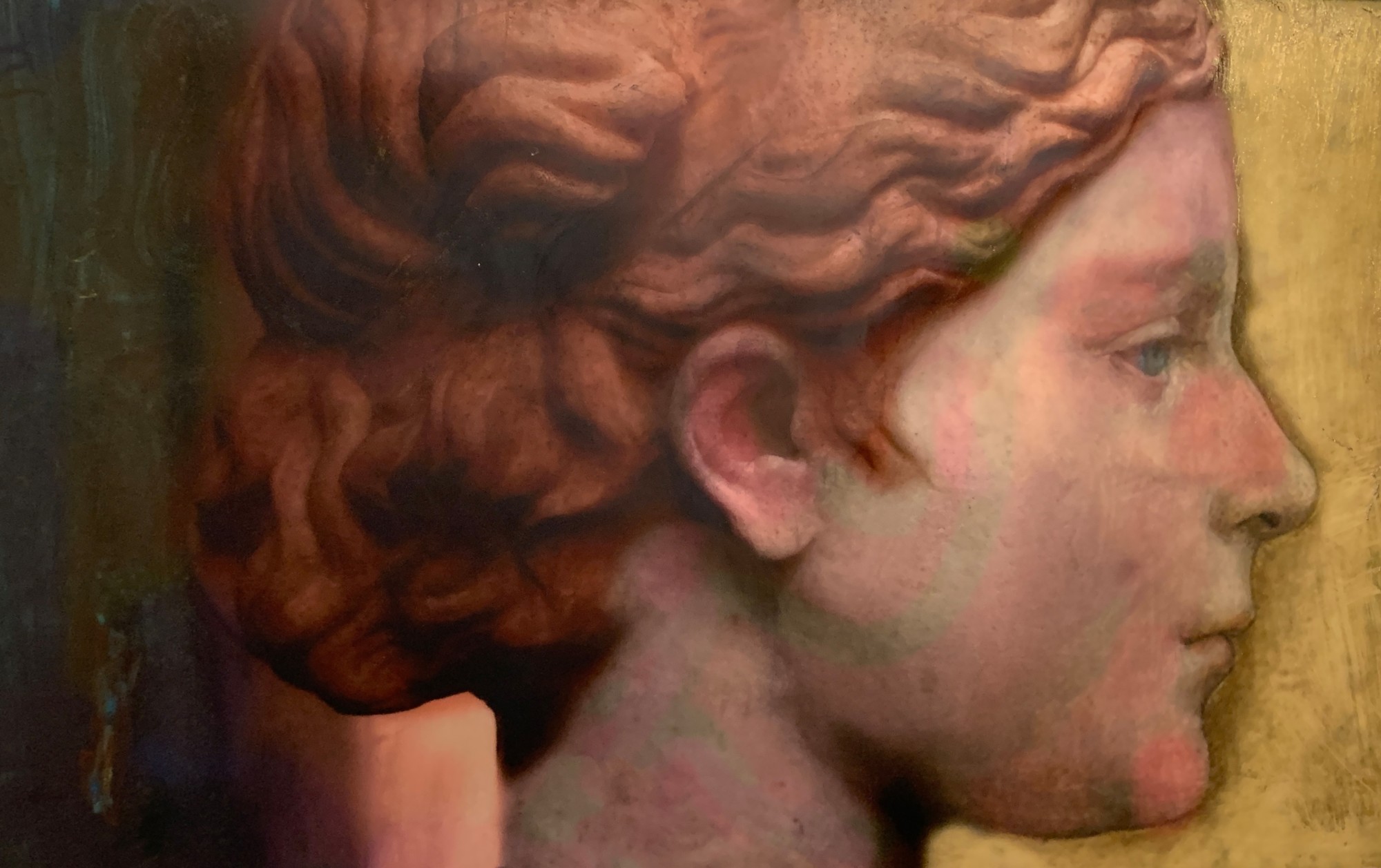
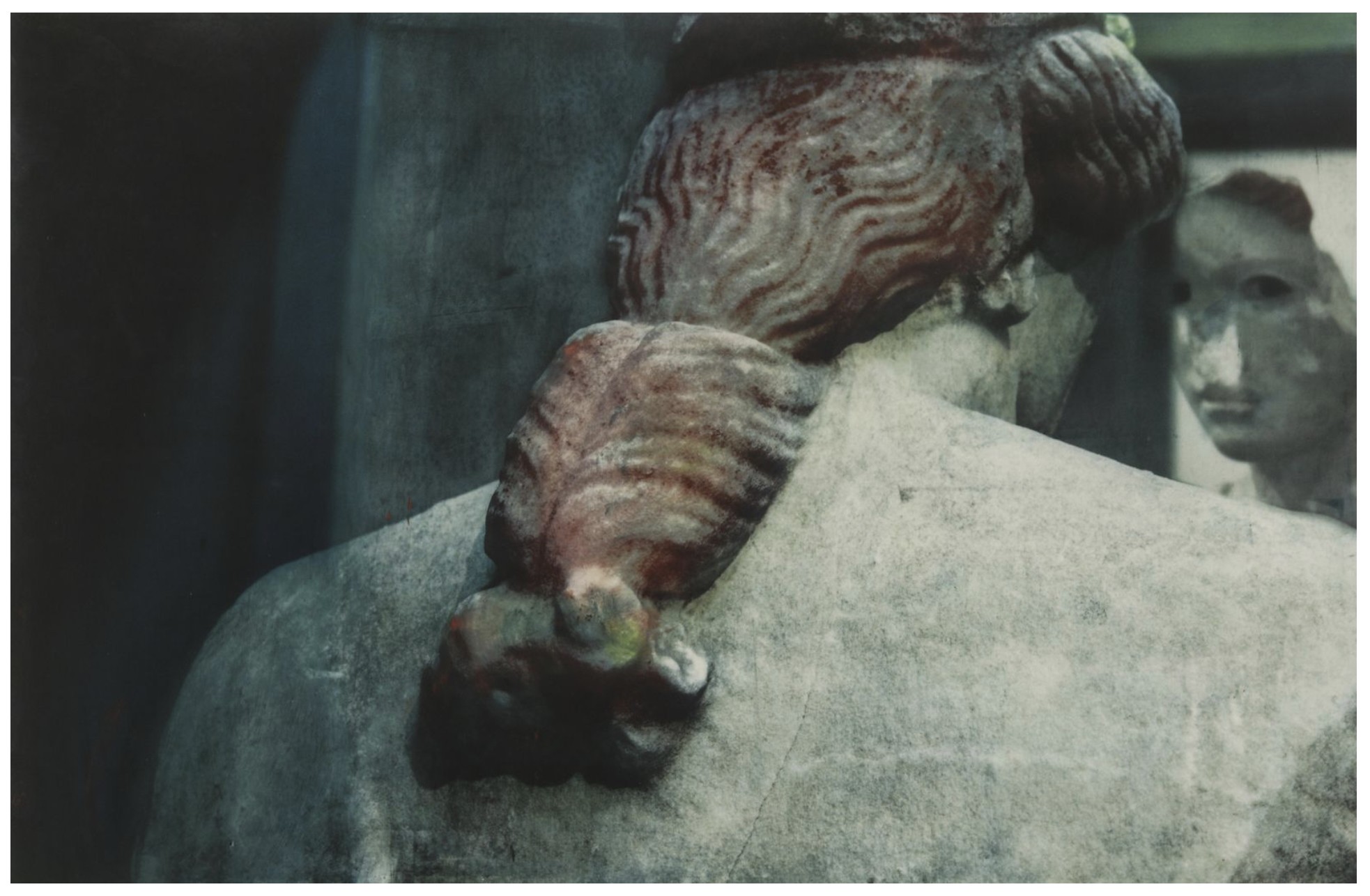
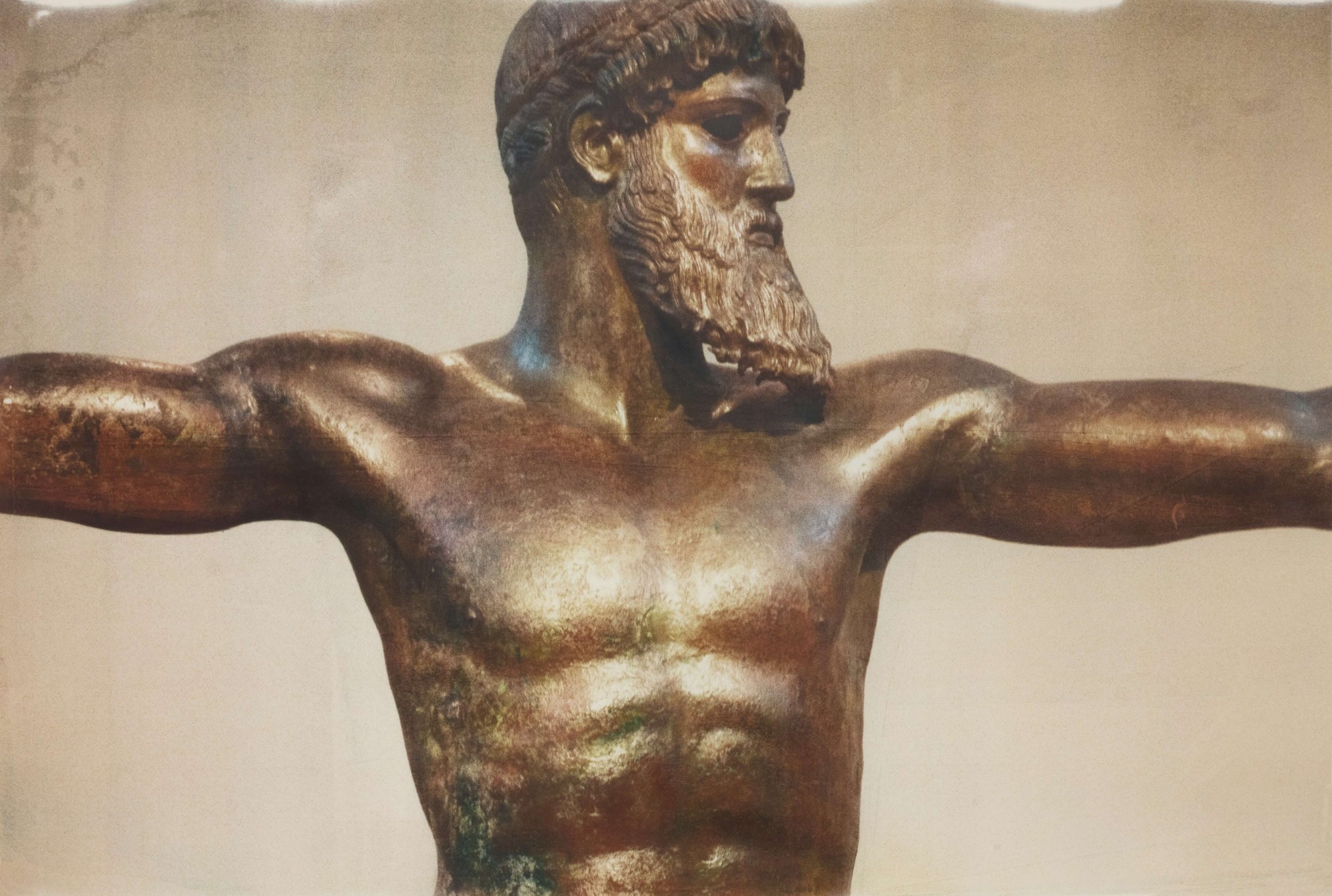
Currently the subject of two exhibitions in the United States, James Welling (American, b. 1951) has produced a diverse body of photographic works over the past fifty years. This Viewing Room focuses on works from several series created between 2018 and 2023 in which the artist explored sculpture and architecture from ancient Greece and Rome. Welling subjected his photographs to digital and painterly transformations, before and after printing, by which he sought to bring new life to his ancient subjects.
In general, Welling’s photographs explore the possibilities within the techniques of photography and he has researched the history of photography to aid that exploration. His subjects range from abstract images taken from materials like fabric, foil, and tile to extremely detailed views of buildings, objects, and people. He was included in the exhibition that established the idea of the Pictures Generation, photographers (and other artists) of the 1970s and 1980s who appropriated pop culture imagery. Welling’s most recent works use digital tools to capture highly detailed and precise imagery of his surroundings, both natural and man-made.
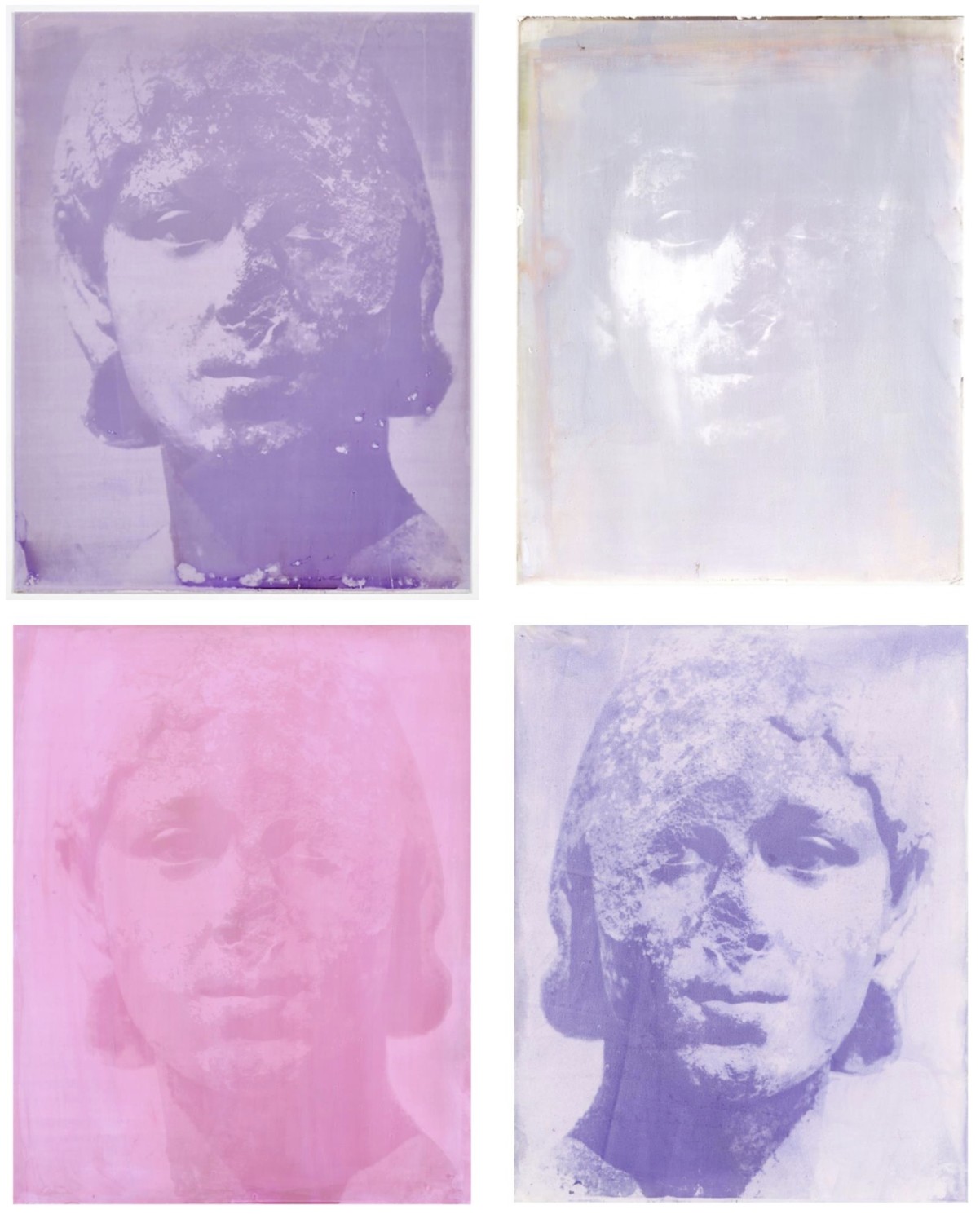
The earliest series included in the slide show is the Julia Mamaea series executed in 2018 and 2019. While photographing Roman sculptures at the Metropolitan Museum of Art, Welling took one of a sculpted head of Julia Avita Mamaea (Syrian-Roman, c. 182-235 CE), the mother and adviser of emperor Alexander Severus (208-235 CE), the last of the Roman Severan Dynasty. Inspired by the way that shifting shadows created different personalities on the sculpted face, the artist began experimenting with printing methods based on 19th century photographic techniques while adding a different colored dye to each print. The resulting works, four of which I combined into one slide below, produce a range of moods. The damaged face reminds one of the passage of time, but as Welling intended, the photographs give the ancient carving a present-day life.
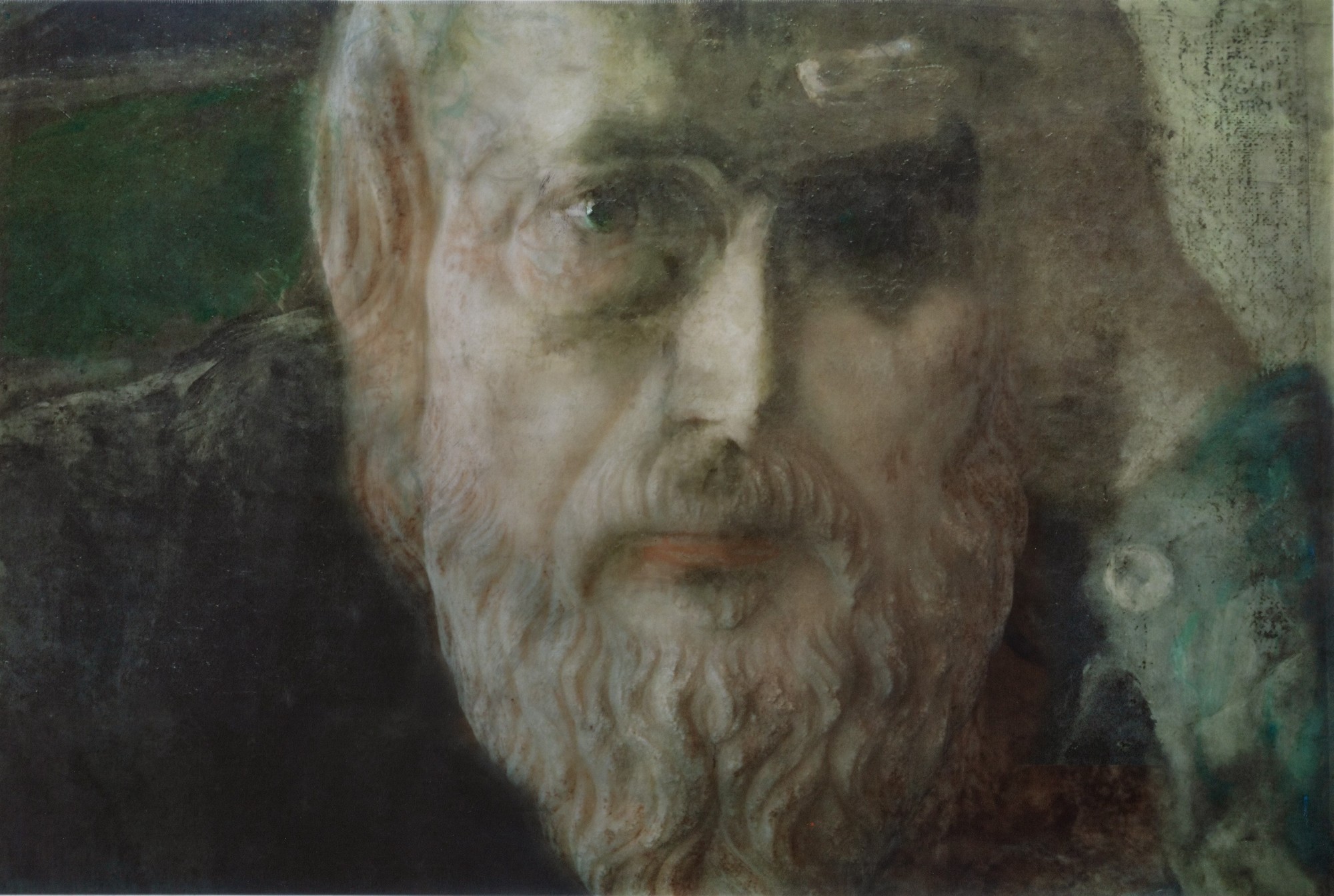
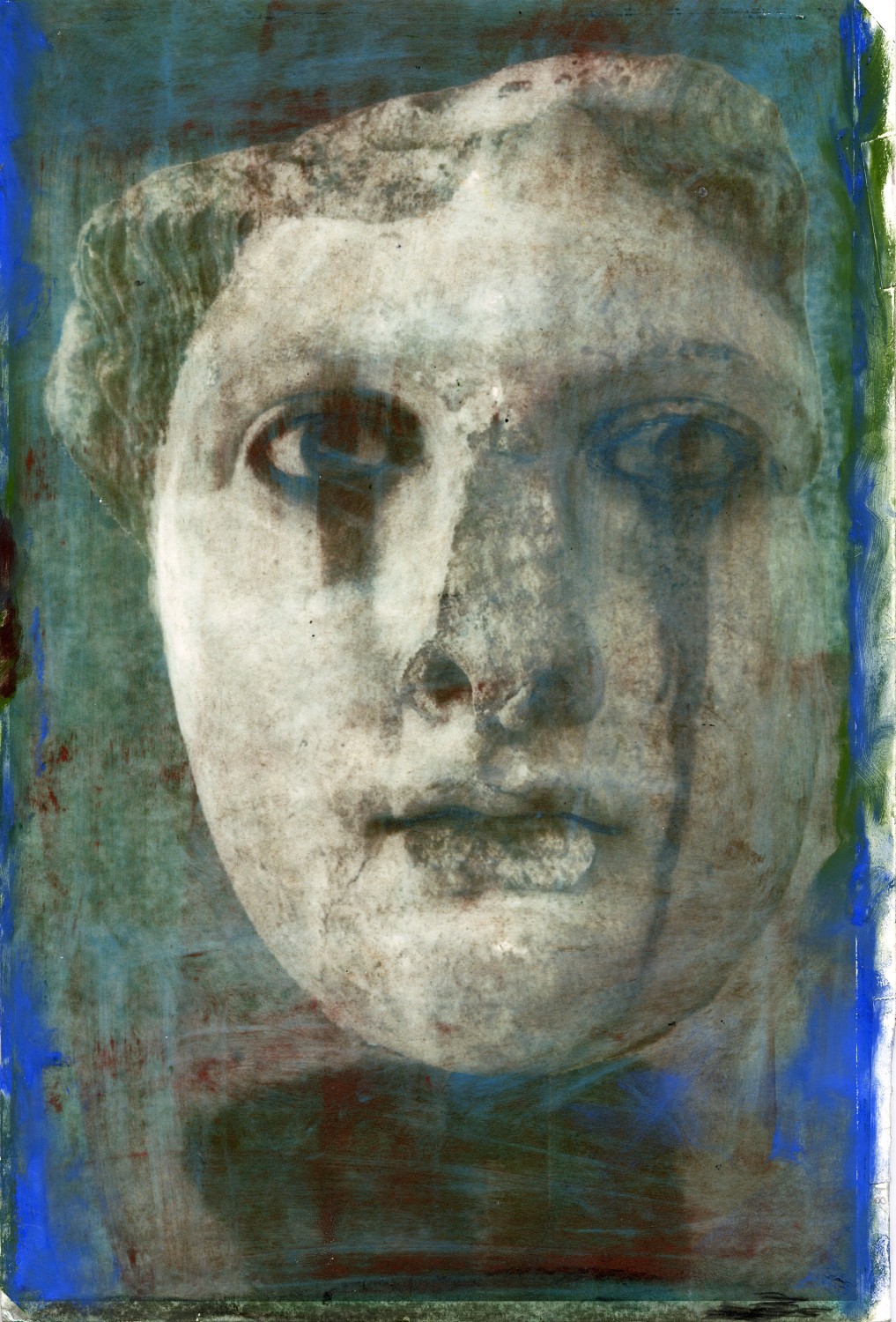
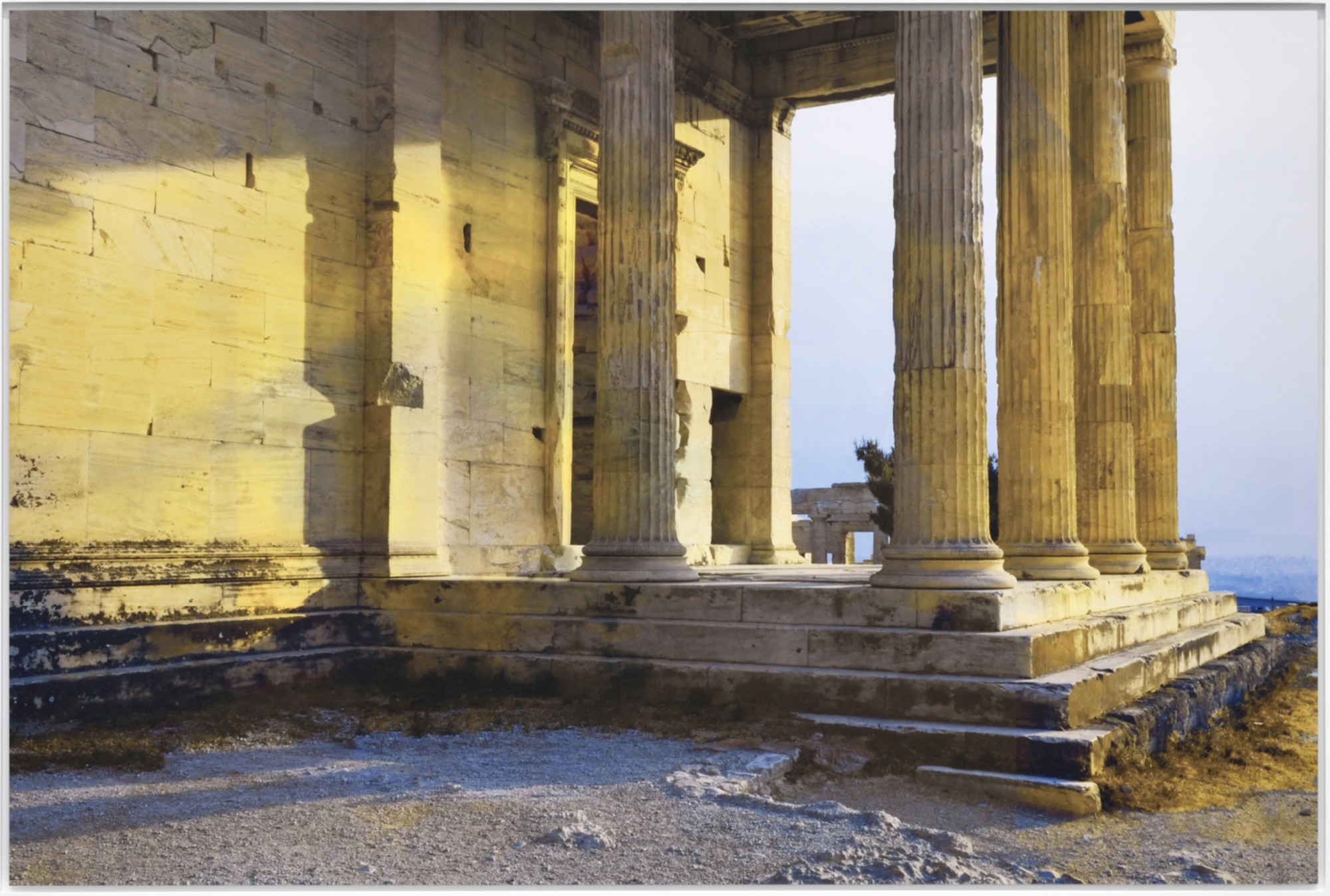
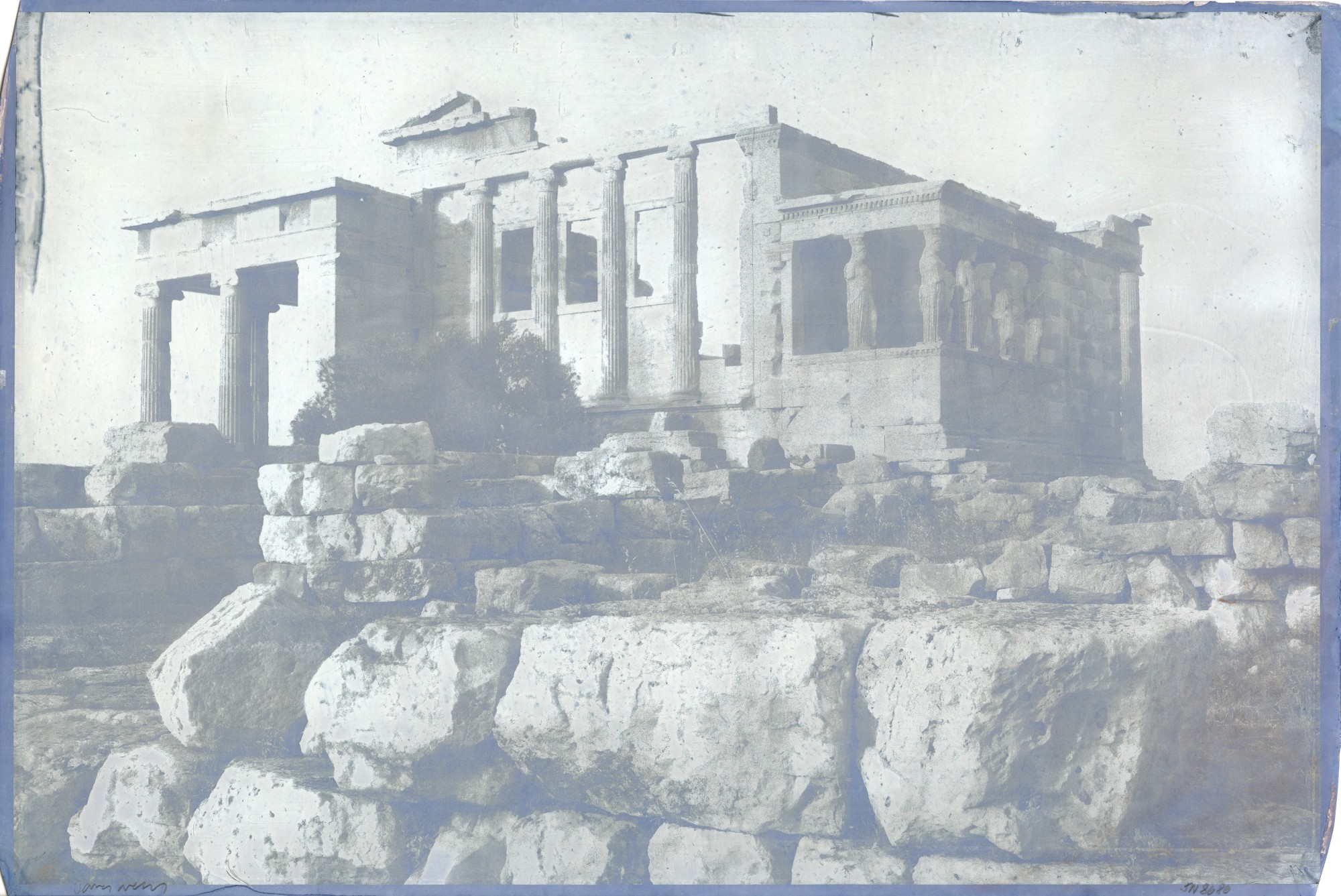
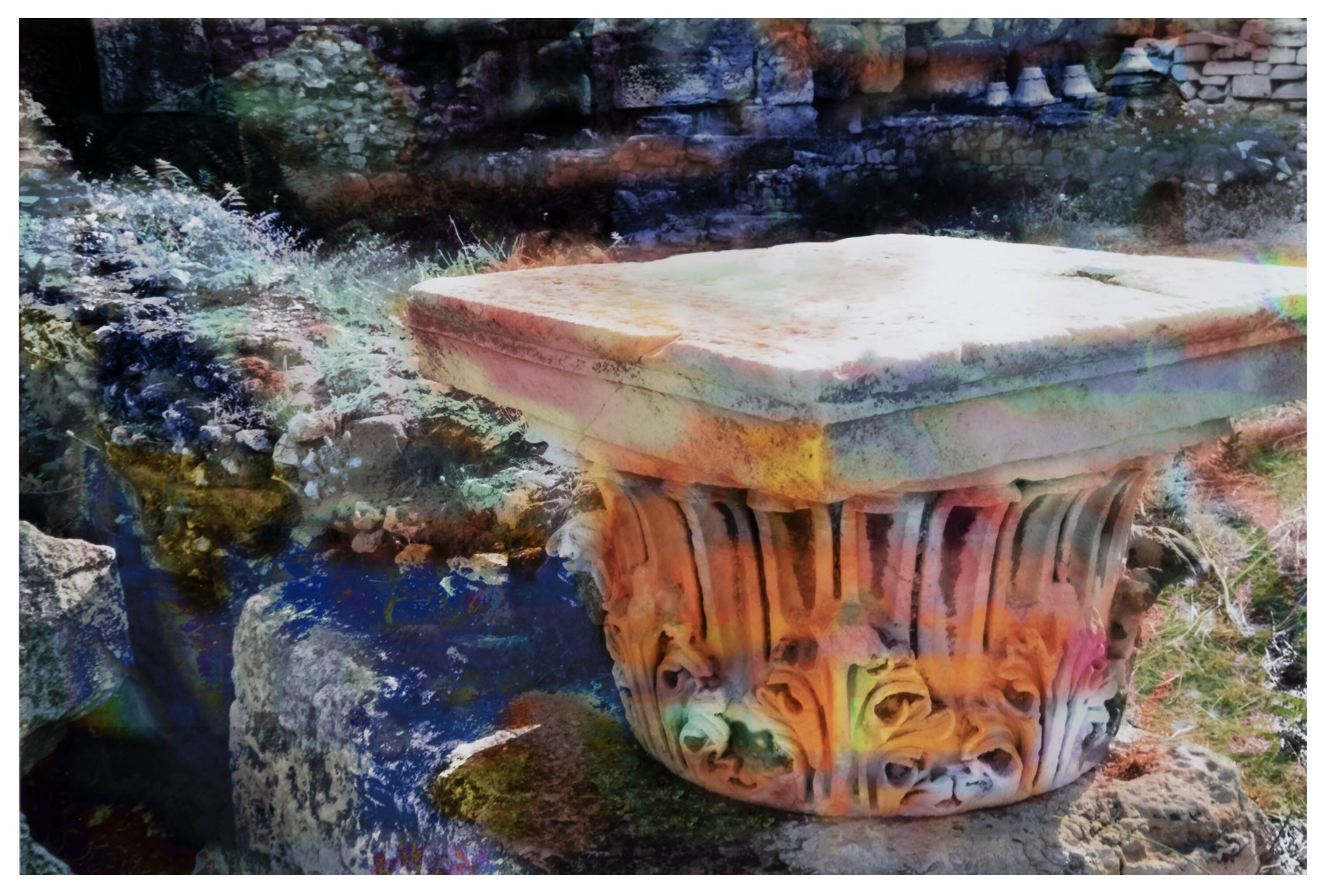
In the series “The Earth, the Temple, and the Gods,” Welling continued to photograph ancient sculptures, but also turned his attention to architectural remnants of ancient Greece and Rome. Three examples in this slide show are 3092 (Old Fisherman), Erechtheion, Sunset, and Roman Agora. Corinthian Capital. In these works, the colors suggest moments of the past seeping through the worn stone. The colors also remind us that ancient architecture and sculptures weren’t white as had long been thought. Instead, they were brightly painted. Though Welling’s candy-colored Corinthian Capital isn’t historically accurate, the works for this series give a much livelier sense of the past than more traditional photographs of ancient objects and sites.
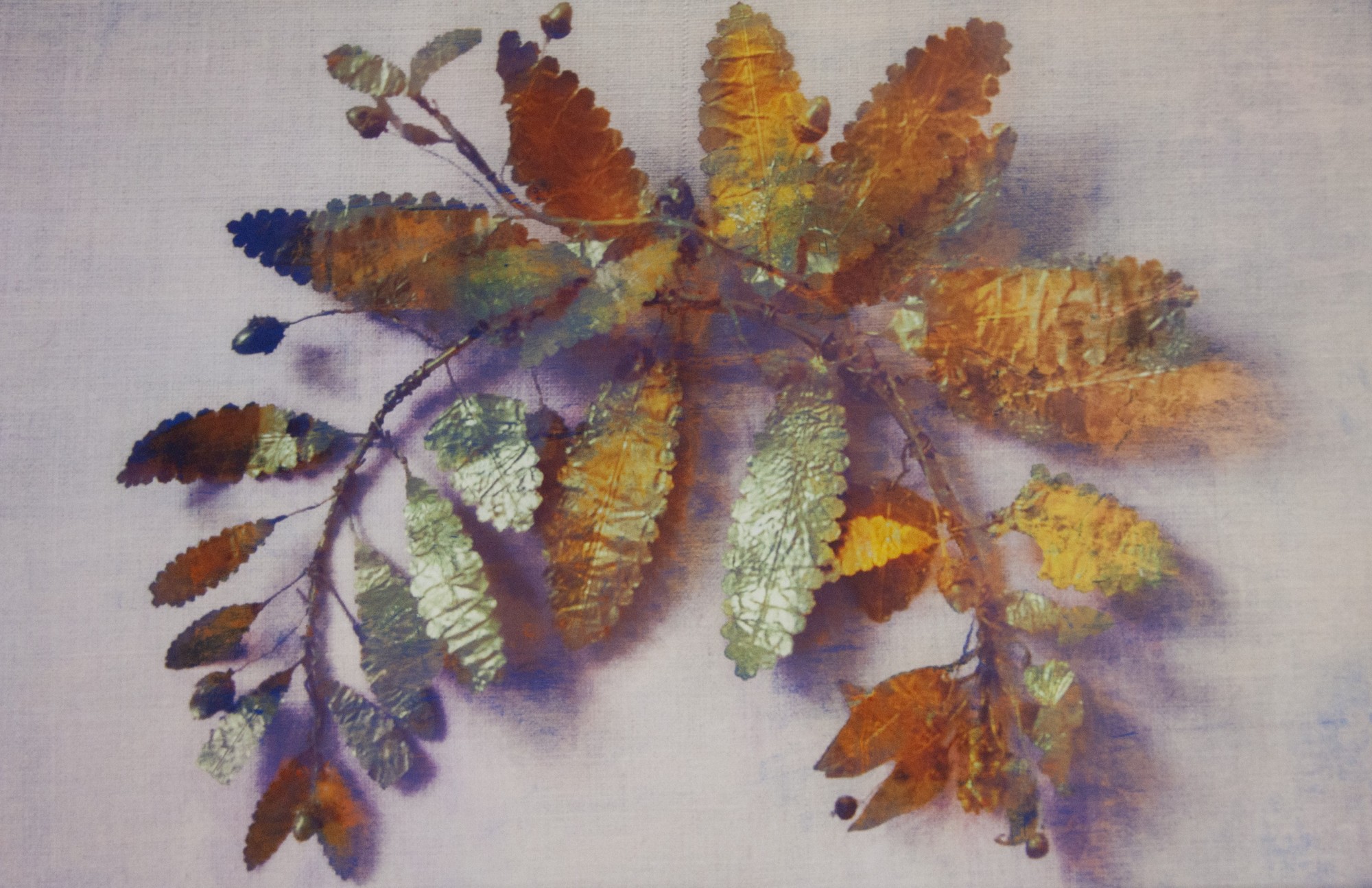
Many of the works in this slide show and in the Fairfield University Art Museum exhibition James Welling: Cento are drawn from two related series “Personae” and “Cento.” The images from “Personae” transform ancient sculpted faces into portrait photographs through digital manipulation and the application of oil pigments and other materials to the printed image. The photographs from “Cento” are mix of similarly transformed photographs of sculptures and images that mimic the appearance of 19th century photographs of Greek architectural monuments.
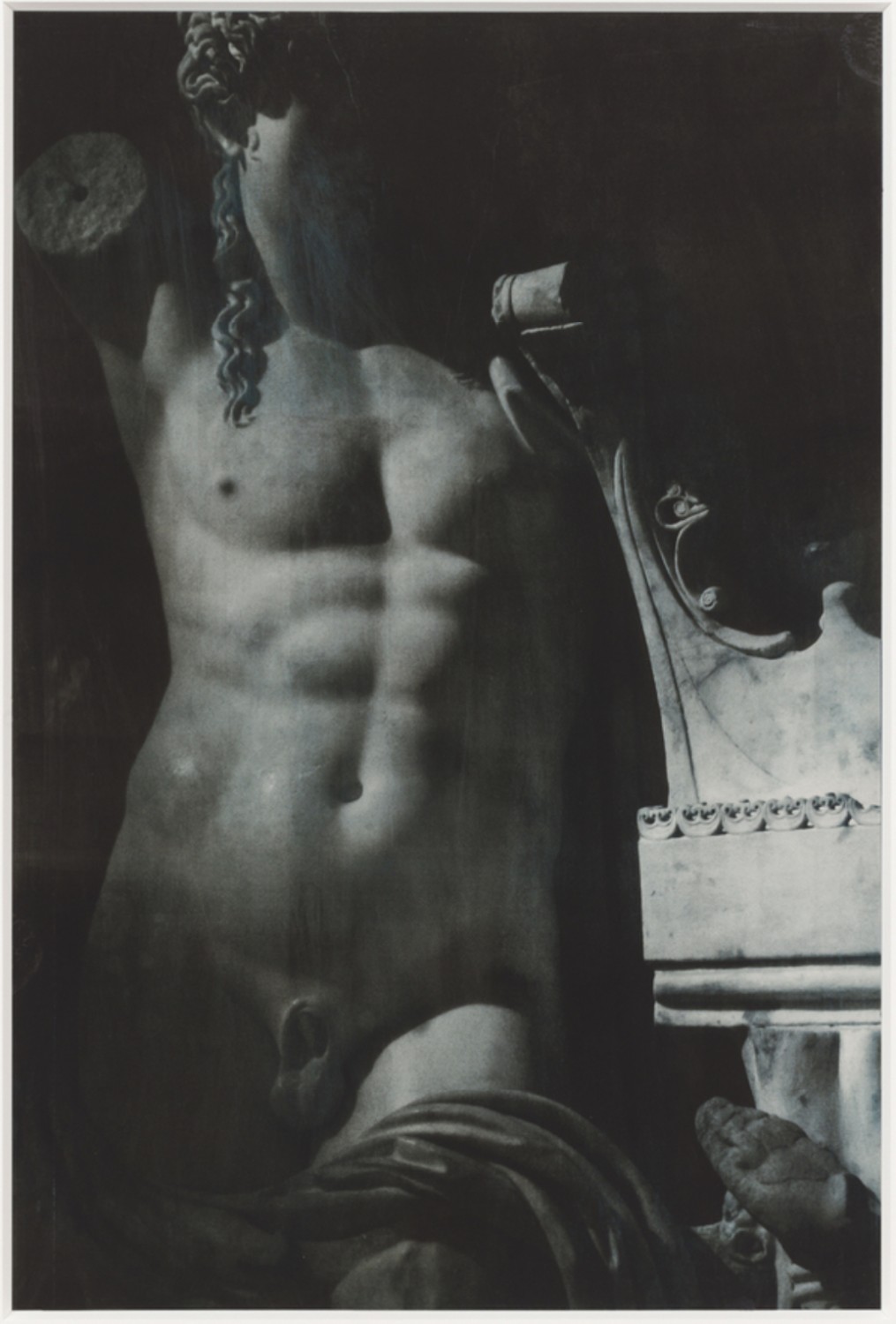
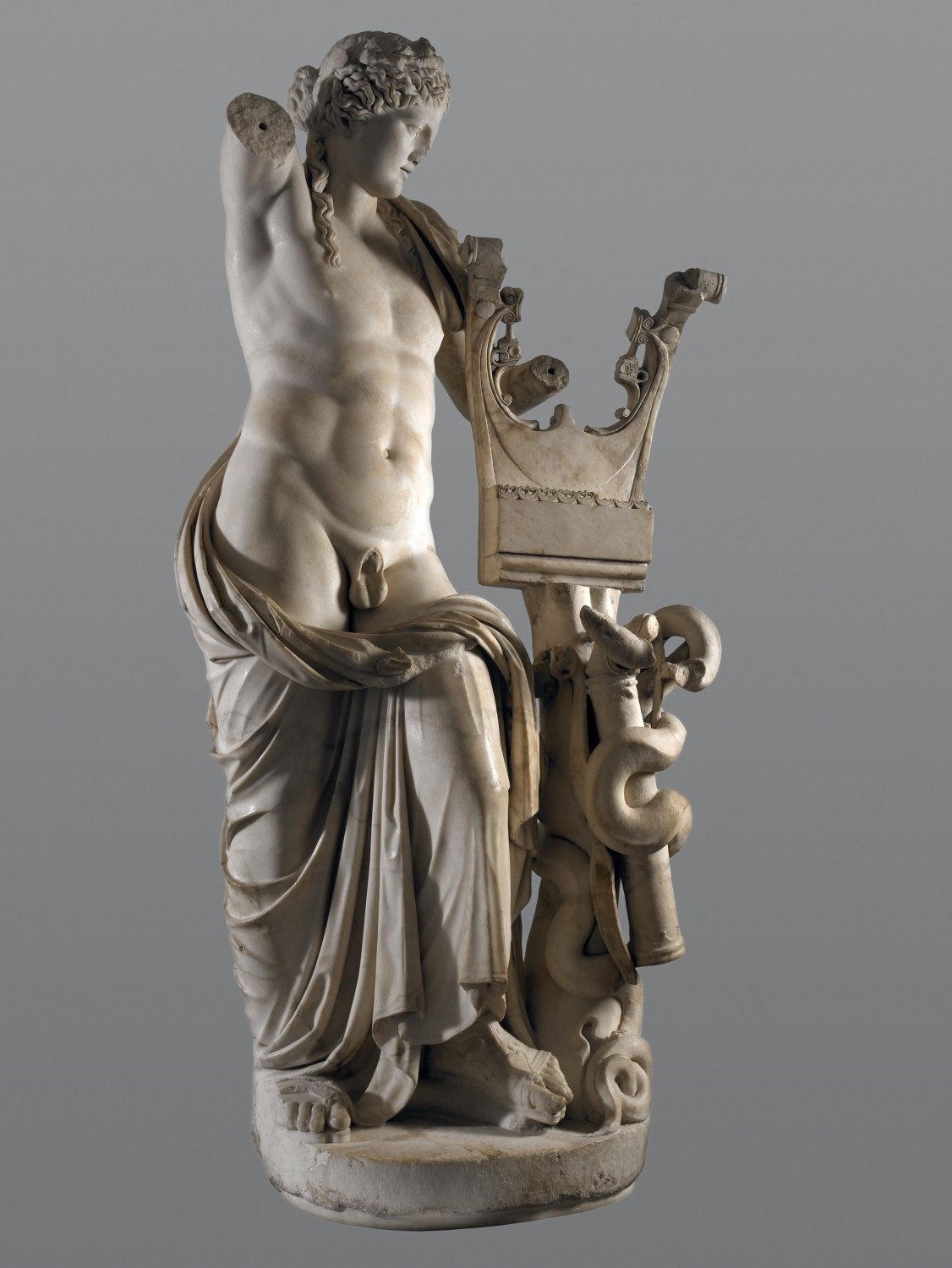
In two cases I have included reference images to demonstrate how Welling interpreted his sculpted models. Apollo of Cyrene is a sculpture of the Greek (and Roman) god found at the Temple of Apollo in Cyrene (modern Cyrenaica) in Libya. This object is a Roman copy of an earlier Greek original. Such Roman copies are frequently the only evidence we have of Greek sculptures, often made of bronze, a material which was always in demand for weapons and tools. The Roman copies are considered reliable evidence of the Greek models because remarkably similar multiple copies have survived. Welling’s photograph of Apollo casts a deep shadow in which the face of Apollo is lost. The flat surface of Apollo’s kithara (lyre) is brightly lit and looks almost architectural. This sense of permanence contrasted with the obviously missing arm and shaded face emphasizes the lost personalities of the ancient world.
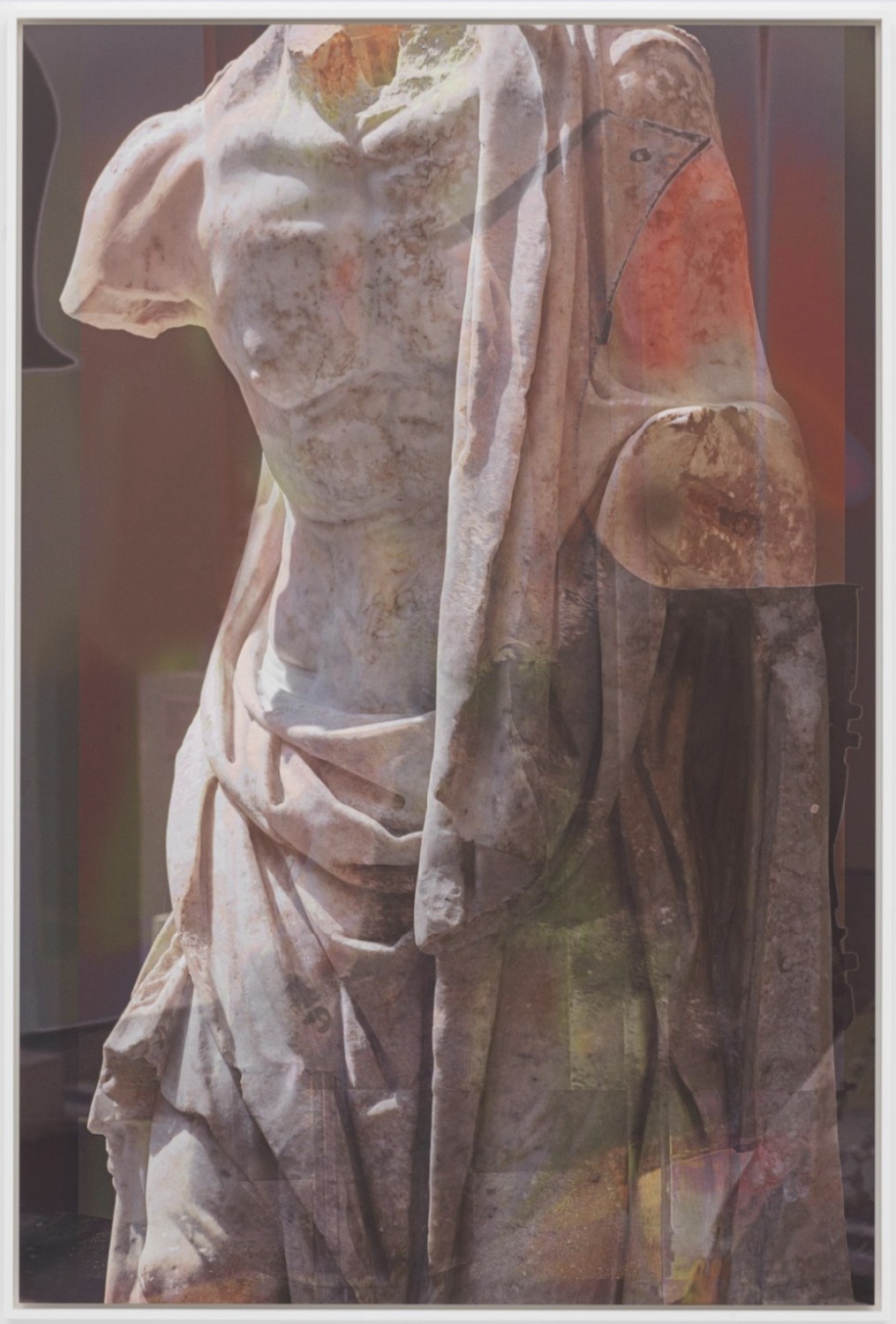
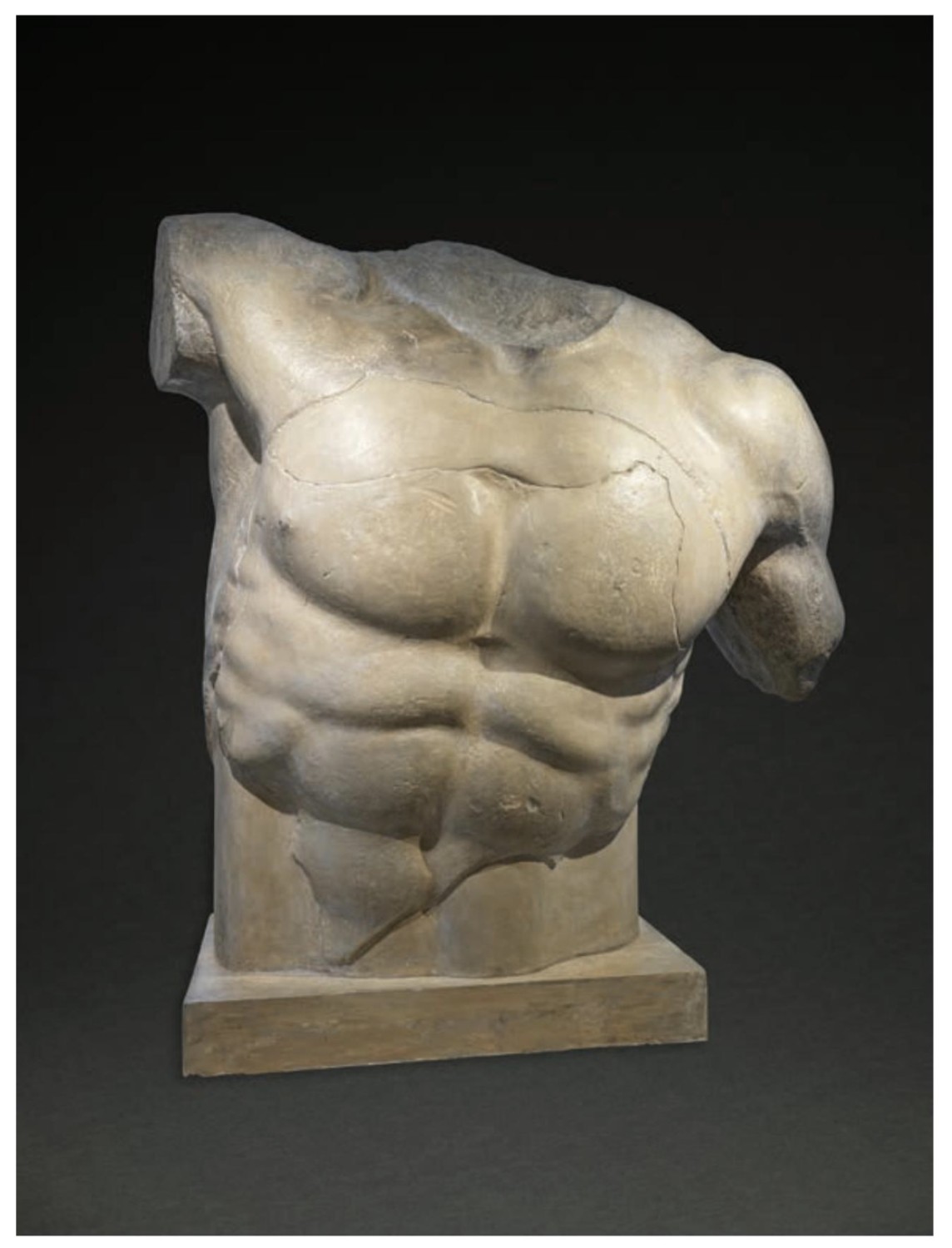
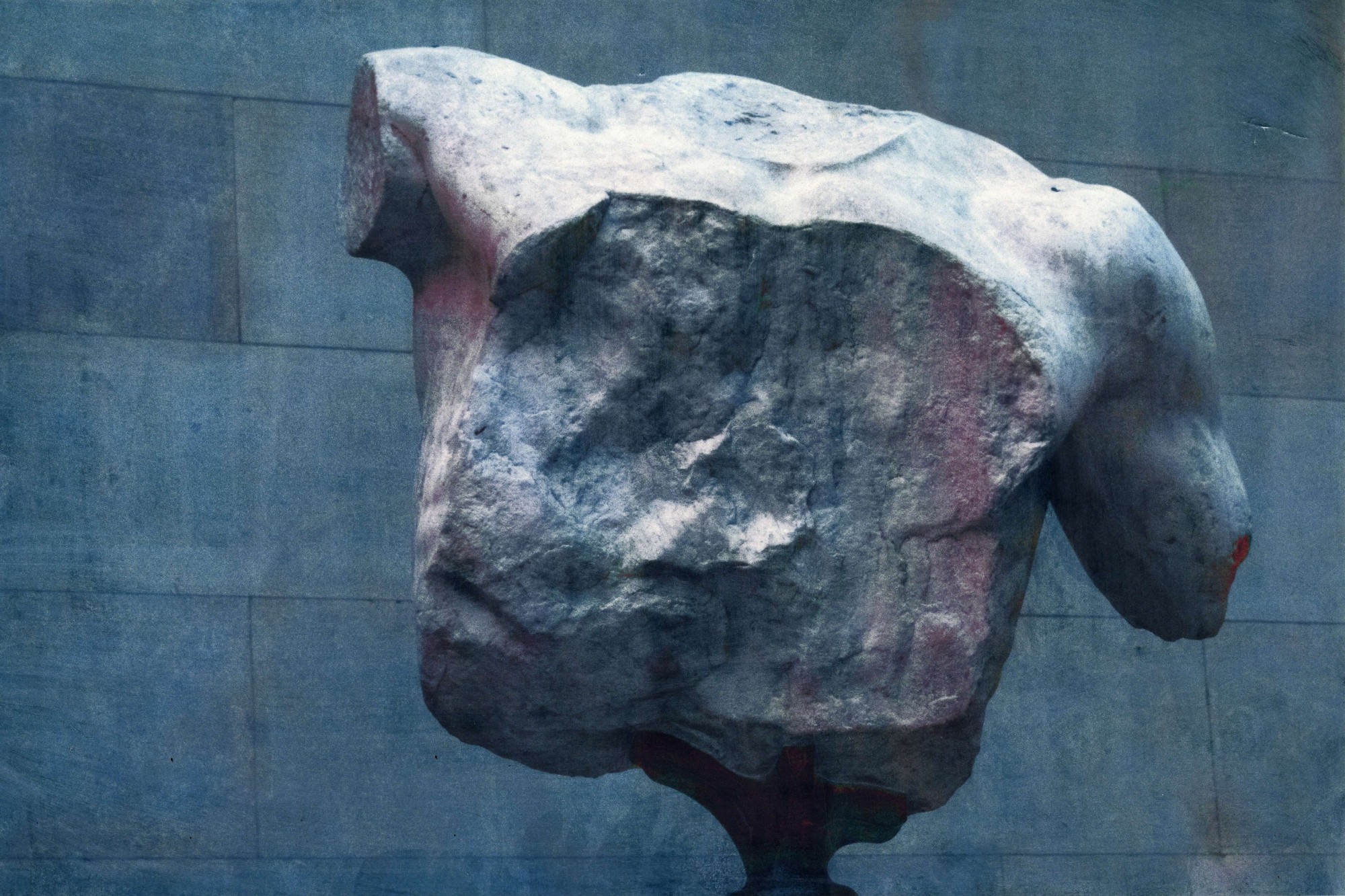
The second example is Poseidon and is a pairing made in the Fairfield University exhibition. The University Art Museum’s exhibition includes the plaster cast of a Parthenon sculpture, the torso of Poseidon, which was created by combining casts of a fragment from the British Museum and one in the Acropolis Museum in Athens. Plaster casts of famous sculptures from Classical Antiquity as well as from the Renaissance and Baroque periods were common fixtures in museums in the 19th and early 20th century in the United States. They provided opportunities to study objects which most Americans were unlikely to see in person. The study of casts fell out of favor in the 20th century, as American museum collections grew to include more authentic objects, as photographic technology improved, and as tastes changed. Welling’s photograph of the fragment in the British Museum contains rusty red tones that suggest the broken stone is wounded flesh. The more anatomically complete cast, though still fragmentary, lacks the emotional quality of Welling’s photograph.
Welling’s images of antiquity represent the past in a way that creates a bridge between then and now. These photographs demonstrate that new ways to experience the past are available for the adventurous artist and the willing viewer.
Exhibitions:
James Welling through November 14, 2026 at Weber Fine Art, 12 Havemeyer Place, Greenwich, Connecticut, USA LINK: weberfineart.com/exhibitions/james-welling
James Welling: Cento through December 12, 2026 at Walsh gallery, Regina A. Quick Center For the Arts, Fairfield University Art Museum, 1073 North Benson Road, Fairfield, Connecticut (this exhibition will travel to The George Washington University Art Gallery and then to the Nashville Parthenon in Tennessee after it leaves Fairfield University Art Museum) LINK: fairfield.edu/museum/exhibitions/catalog/2026/james-welling-cento
Please share your comments and questions on Substack. LINK: irequireart.substack.com/p/viewing-room-56/comments
Longer captions may not be fully visible on smaller screens. We apologize for the inconvenience.
If the caption obscures part of the artwork, click on the image to turn off the caption.