American Modernism
By Laura Heyrman
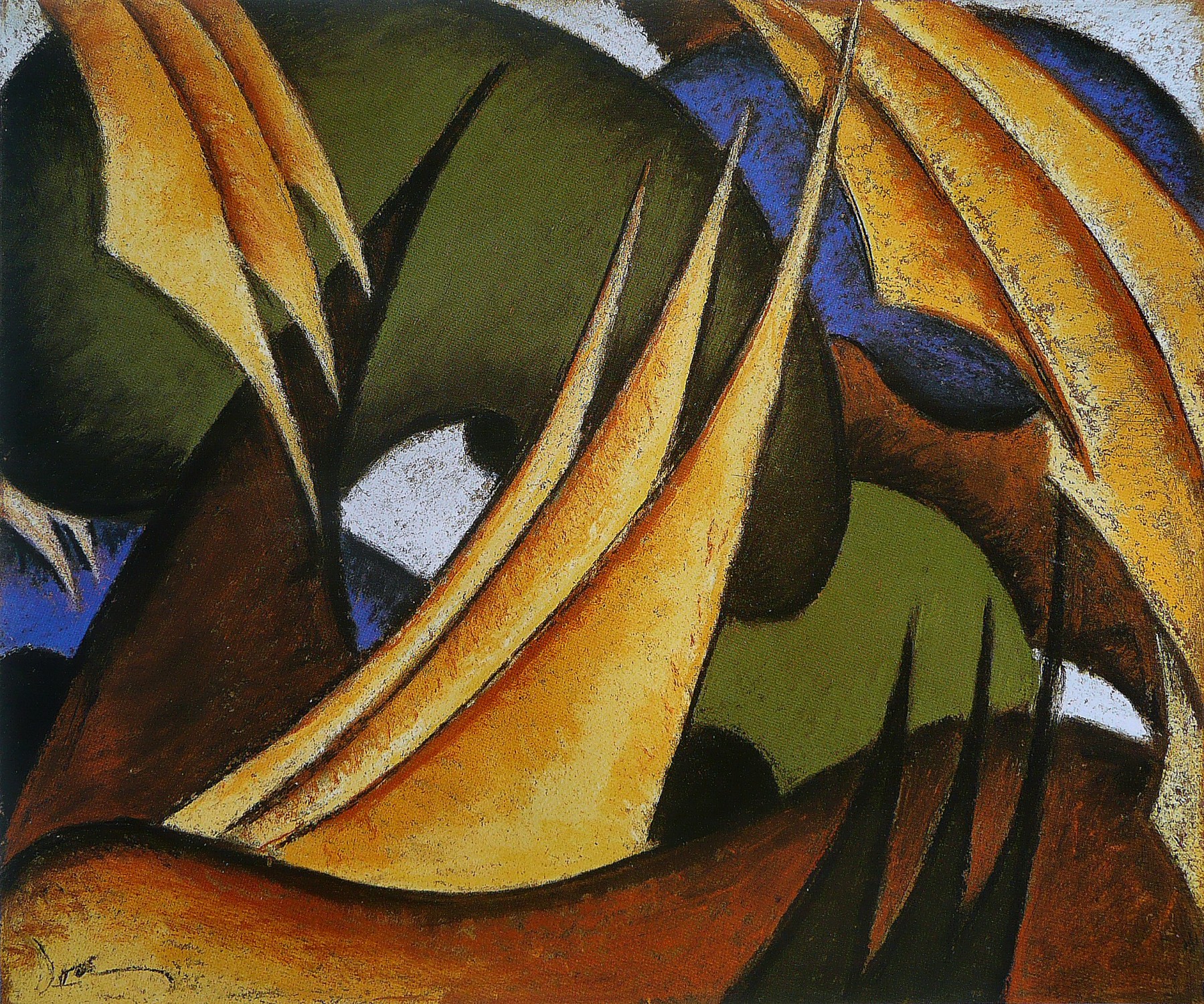
“What constitutes American painting? … things may be in America, but it’s what is in the artist that counts. What do we call “American” outside of painting? Inventiveness, restlessness, speed, change …” – Arthur Dove (American, 1880-1946)
This Viewing Room was inspired by the current exhibition of American Modernist art at Schoelkopf Gallery in New York (see details below). The twelve artists included here are part of that exhibition but only some of the works in the slide show are also in the exhibition.
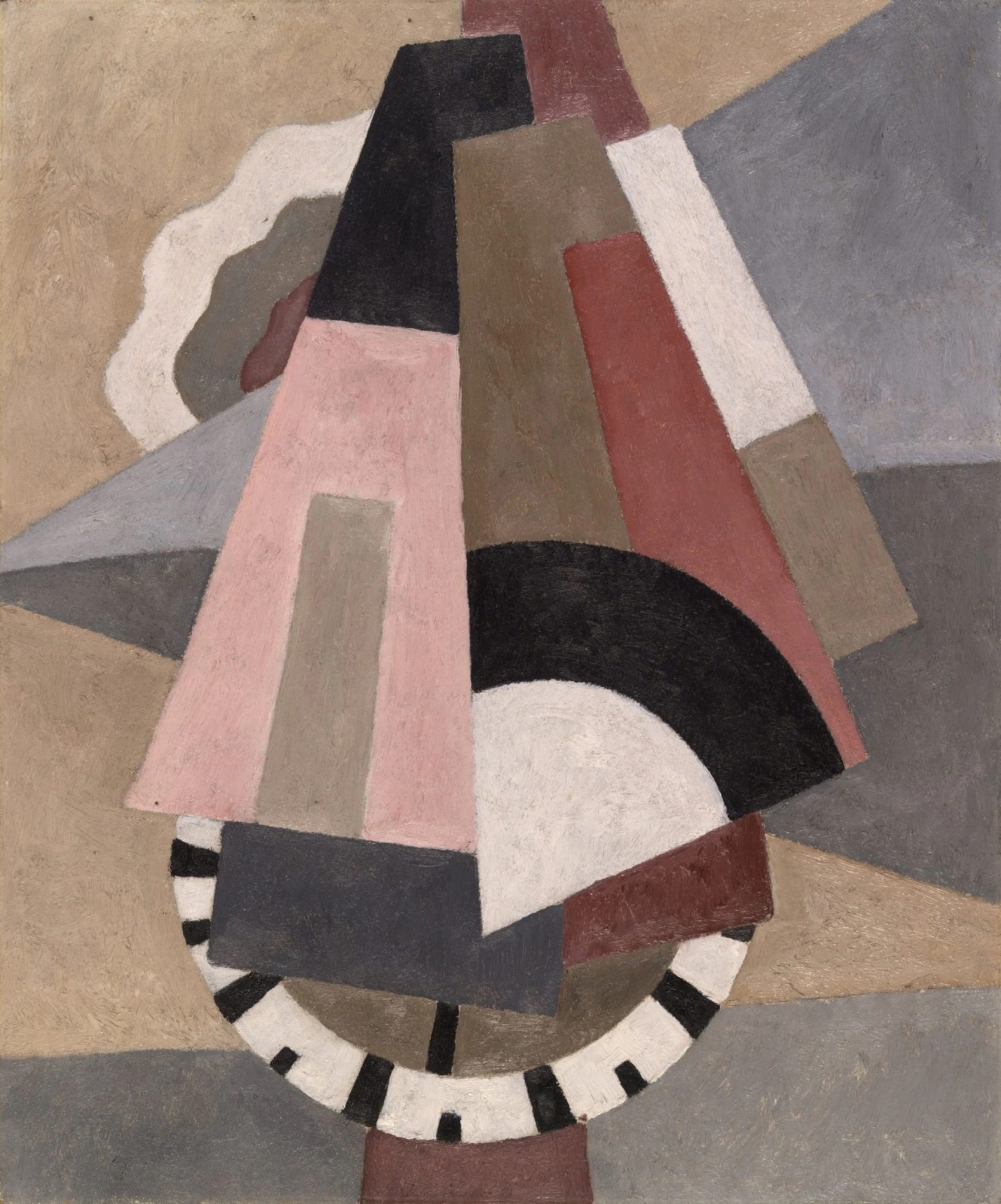
The concept of Modernism in art and culture is the subject of considerable scholarly disagreement, but it is generally considered to have developed in Europe at the end of the 19th century with its heyday in the 20th century until the outbreak of World War Two. However, the development of many different styles and movements in this period makes it difficult to identify the connecting threads of Modernism among them. In general, they all show a tendency toward experimentation, abstraction, and subjective experience or self-expression.
These same characteristics can be identified in the United States, although they don’t appear until the first decade of the 20th century. The rise of American Modernism is associated with artists who had some contact, either direct or secondhand, with developments in Europe. One of the key figures was the photographer and gallerist Alfred Stieglitz (American, 1864-1946) who promoted Modernist art by Europeans and Americans at his galleries 291, The Intimate Gallery, and An American Place from 1905 to 1937. Nearly all of the artists in this slide show exhibited with Stieglitz and many were close friends and associates. In addition to Georgia O’Keeffe (American, 1887-1986) to whom Stieglitz was married and whose works he frequently exhibited, Oscar Bluemner (Prussian-American, 1867-1938), Charles Demuth (American, 1883-1935), Arthur Dove, and Marsden Hartley (1877-1933) were all promoted by Stieglitz.
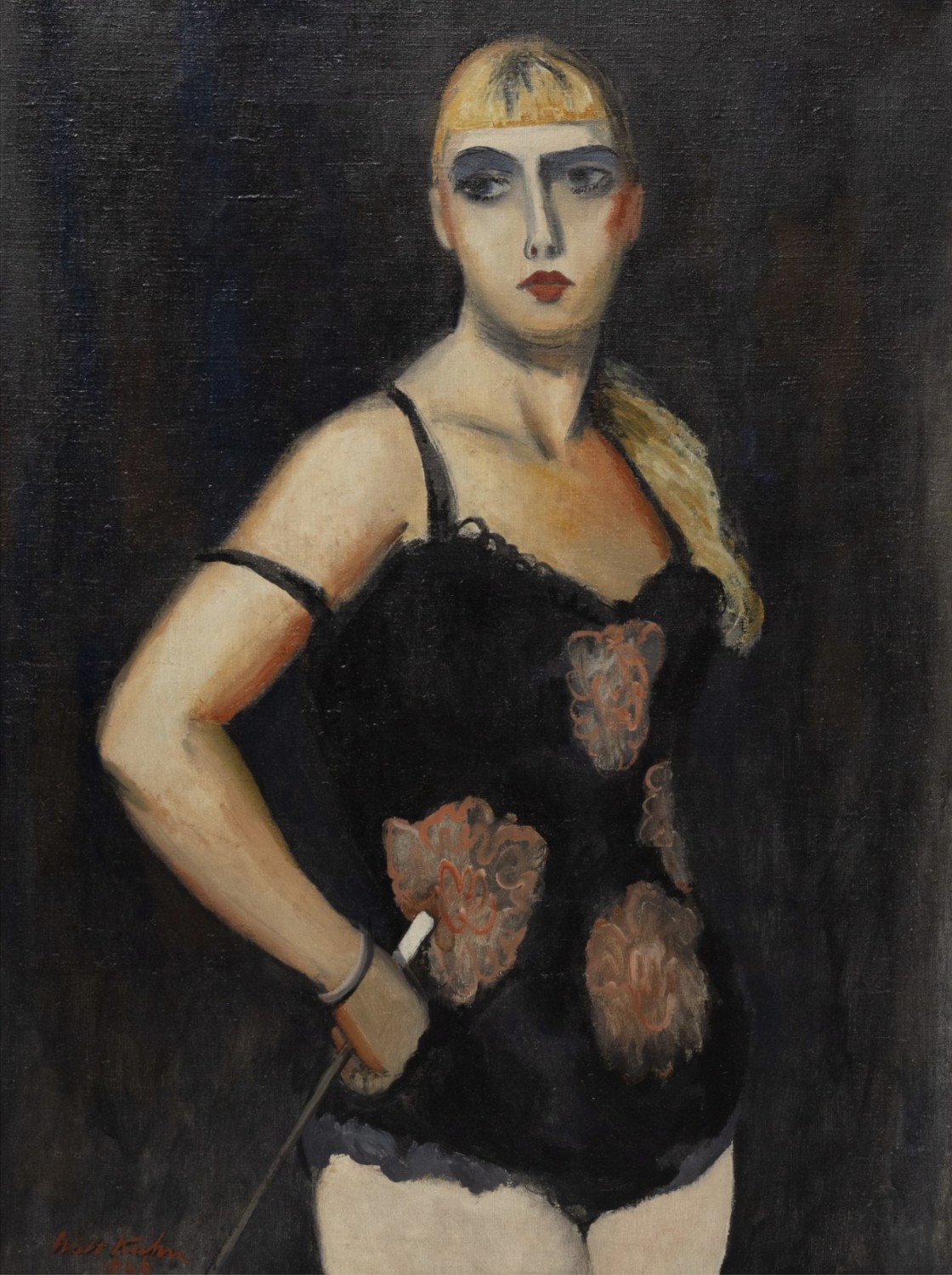
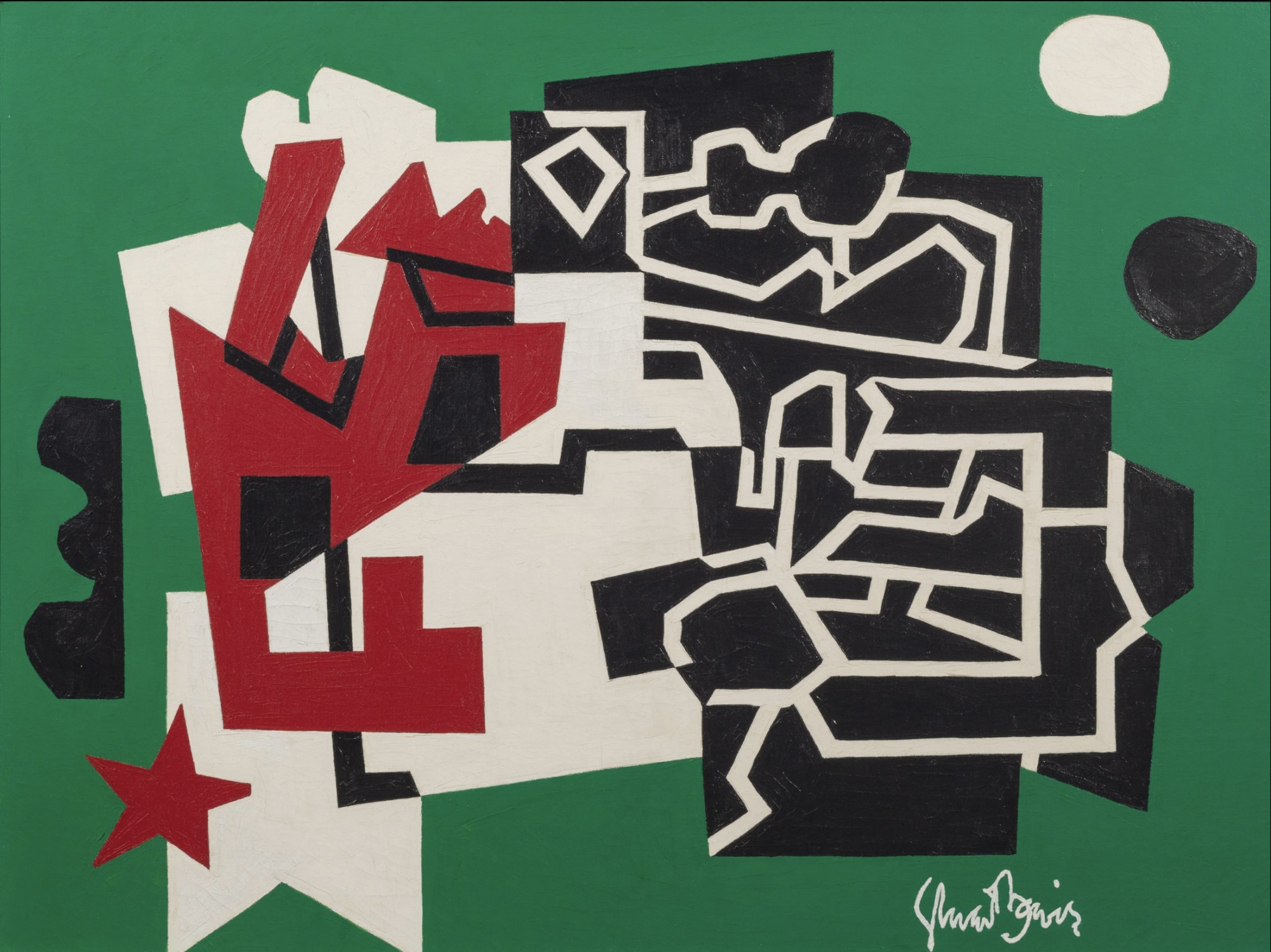
Another important force in the development of American Modernism was the 1913 exhibition known as The Armory Show. Sponsored by the Association of American Painters and Sculptors, this exhibition was the first time many Americans, artists and others, saw European avant garde art, including Impressionism, Fauvism, and Cubism. Though an American section was included in the Armory Show, it was the European works that attracted the attention and criticism. Walt Kuhn (American, 1877-1949) was one of the founders of the Association and helped to convince European artists and dealer to participate in the Armory Show. For many young American artists, the Armory Show was a call to innovation. The most advanced American art at the time looked old-fashioned compared to what the European artists were doing. Stuart Davis (American, 1892-1964), for example, quickly integrated ideas from Cubism into his works, developing the highly personal style involving bright color, references to jazz, and urban details represented by Memo No. 2 in the slide show. In addition to Davis, Bluemner, Hartley, and Edward Hopper (American, 1882-1967), were included in the American section of the Armory Show.
“Try everything that can be done. Be deliberate. Be spontaneous. Be thoughtful and painstaking. Be abandoned and impulsive. Learn your own possibilities.” – George Bellows (American, 1882-1925)
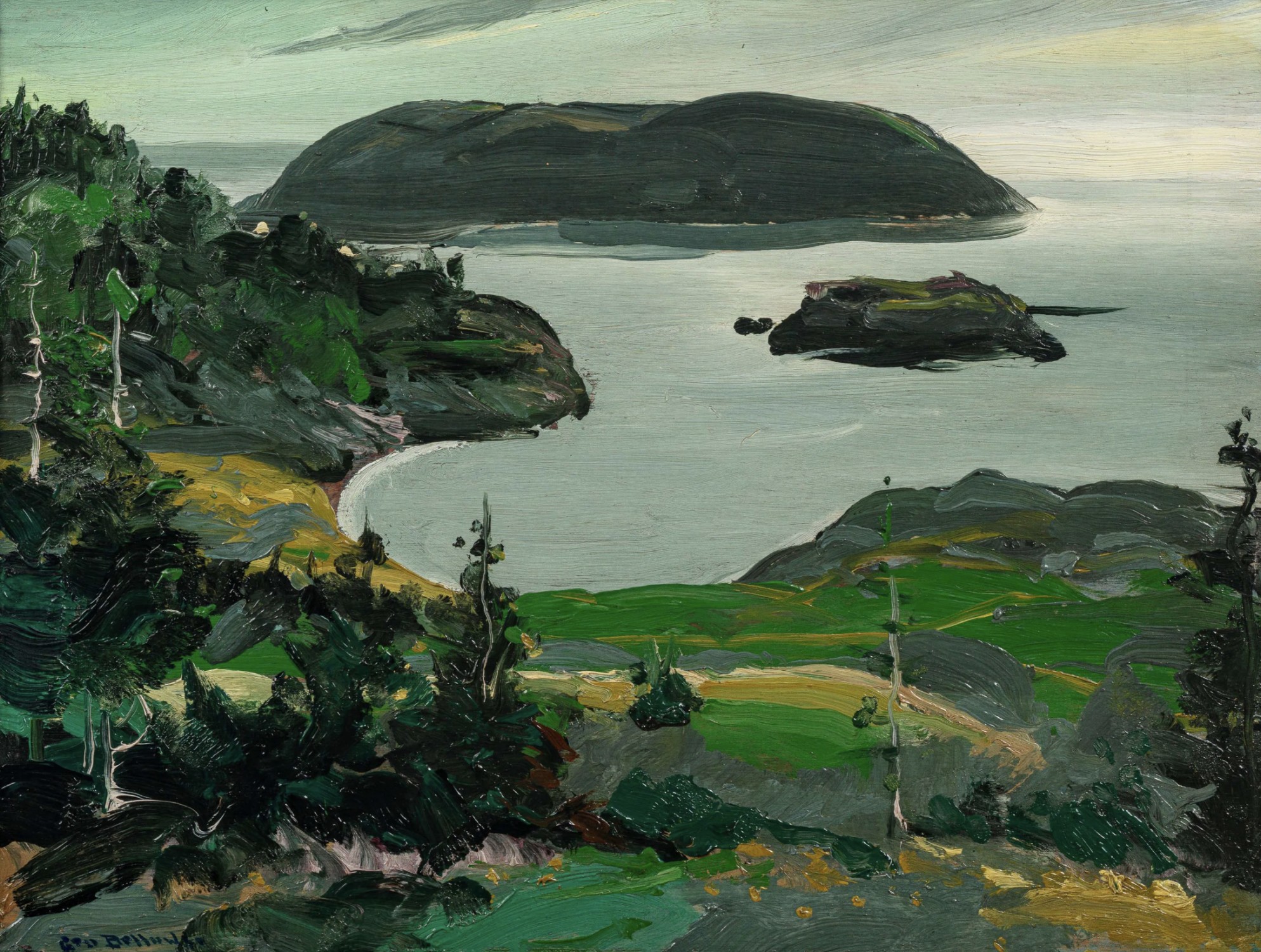
Of the works in this slide show, George Bellows’ Green Islands seems most conventional in its style and subject. Part of the American Ashcan School, the artist’s earlier works had followed that movements in depicting the gritty reality of urban living. (See Chance Encounters 59 irequireart.substack.com/p/chance-encounters-edition-59.) By 1913, when he painted Green Islands, Bellows had become more interested in representing the scenery of Maine. At first glance, the work seems conventionally painted, but its surface is rich with expressive paint handling and the dominant green hue has even seeped into the sky. Bellows was one of the first artists to demonstrate that European training wasn’t necessary for an American painter to be innovative.
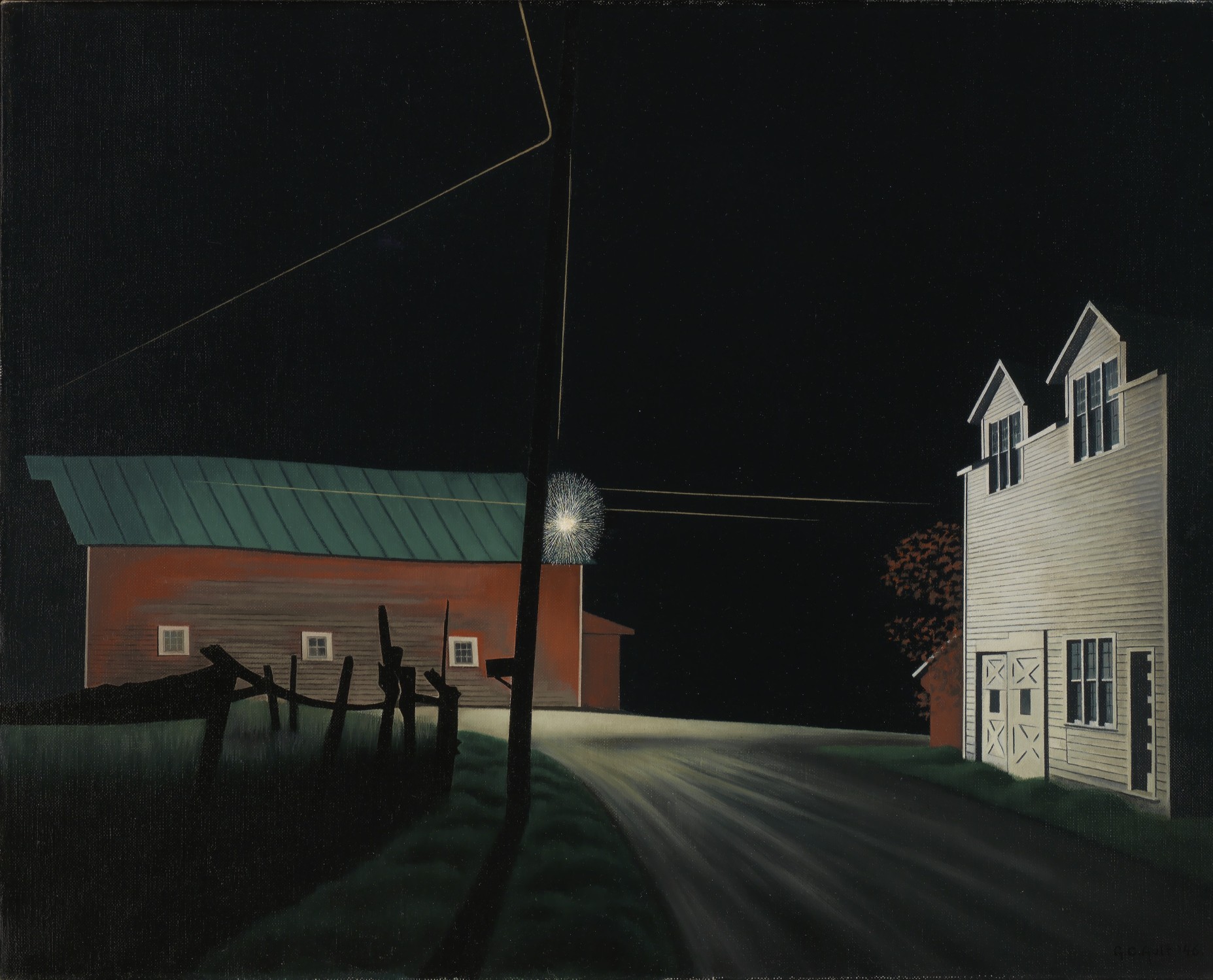
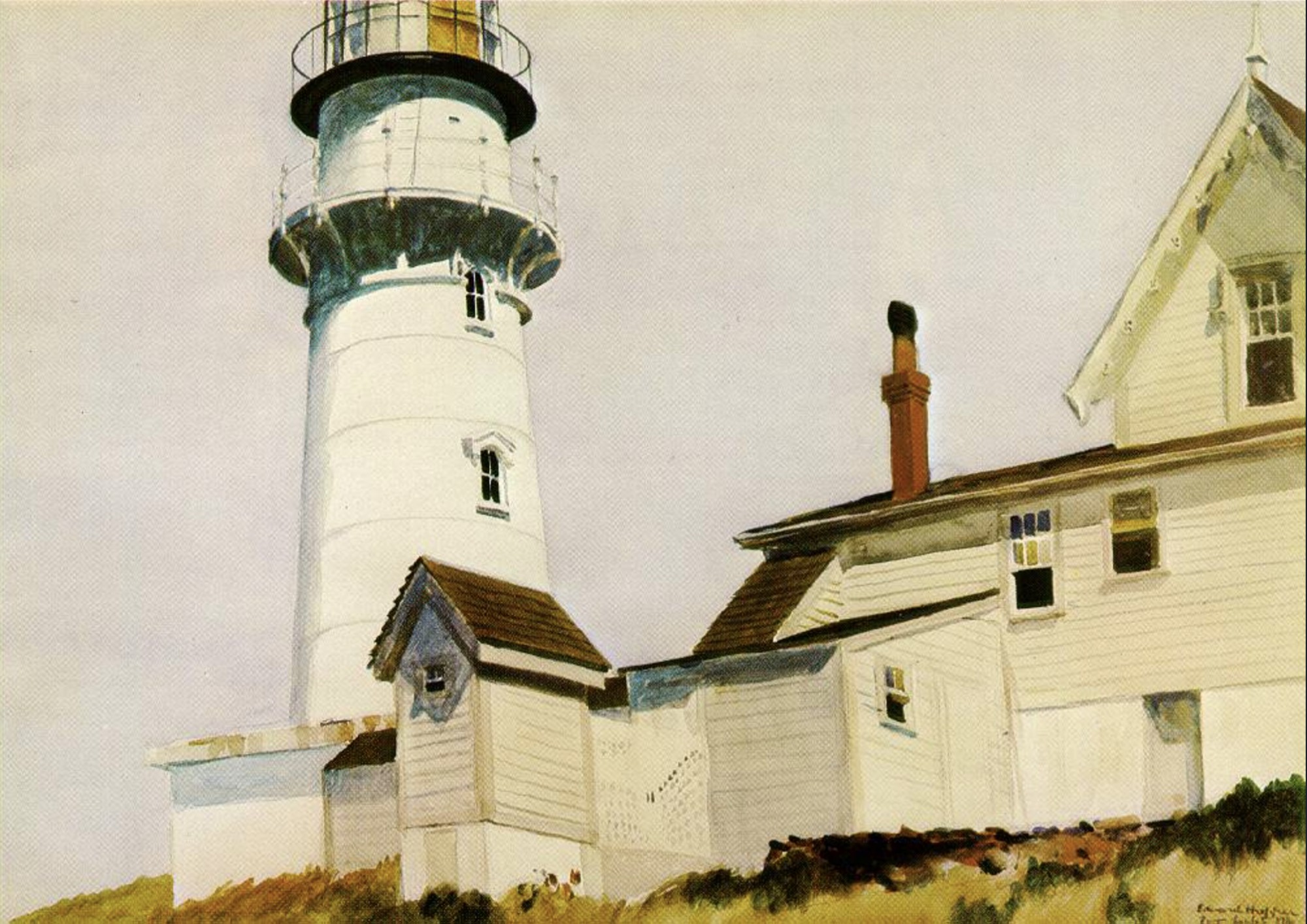
The works of George Ault (American, 1891-1948) and Hopper may also seem conventional at first but both artists were interested in describing the underlying geometry of their compositions as they were in recording the reality of the scene. Both artists were also masters of depicting the fall of light by night or by day in their paintings and both convey a sense of loneliness with their architectural subjects.
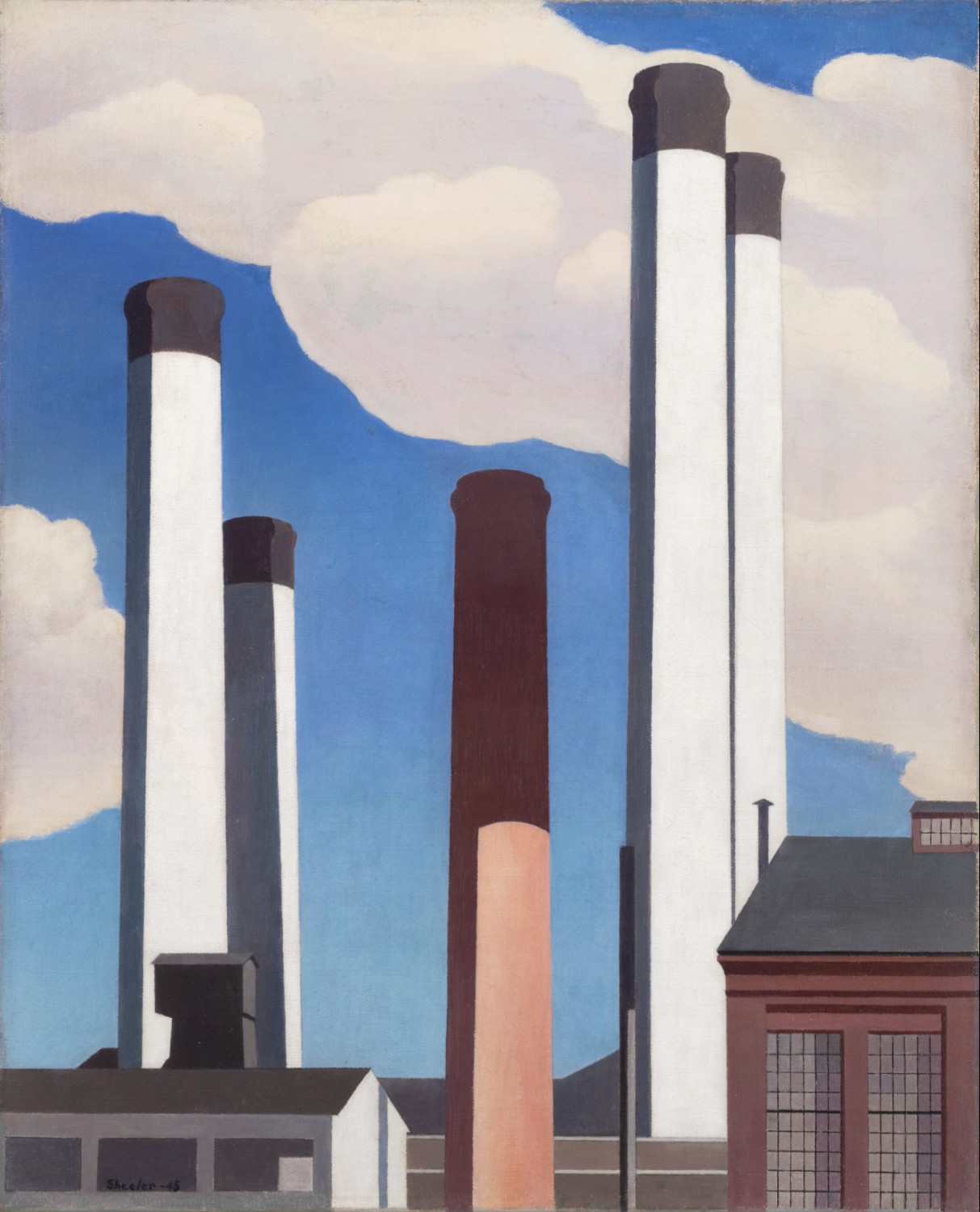
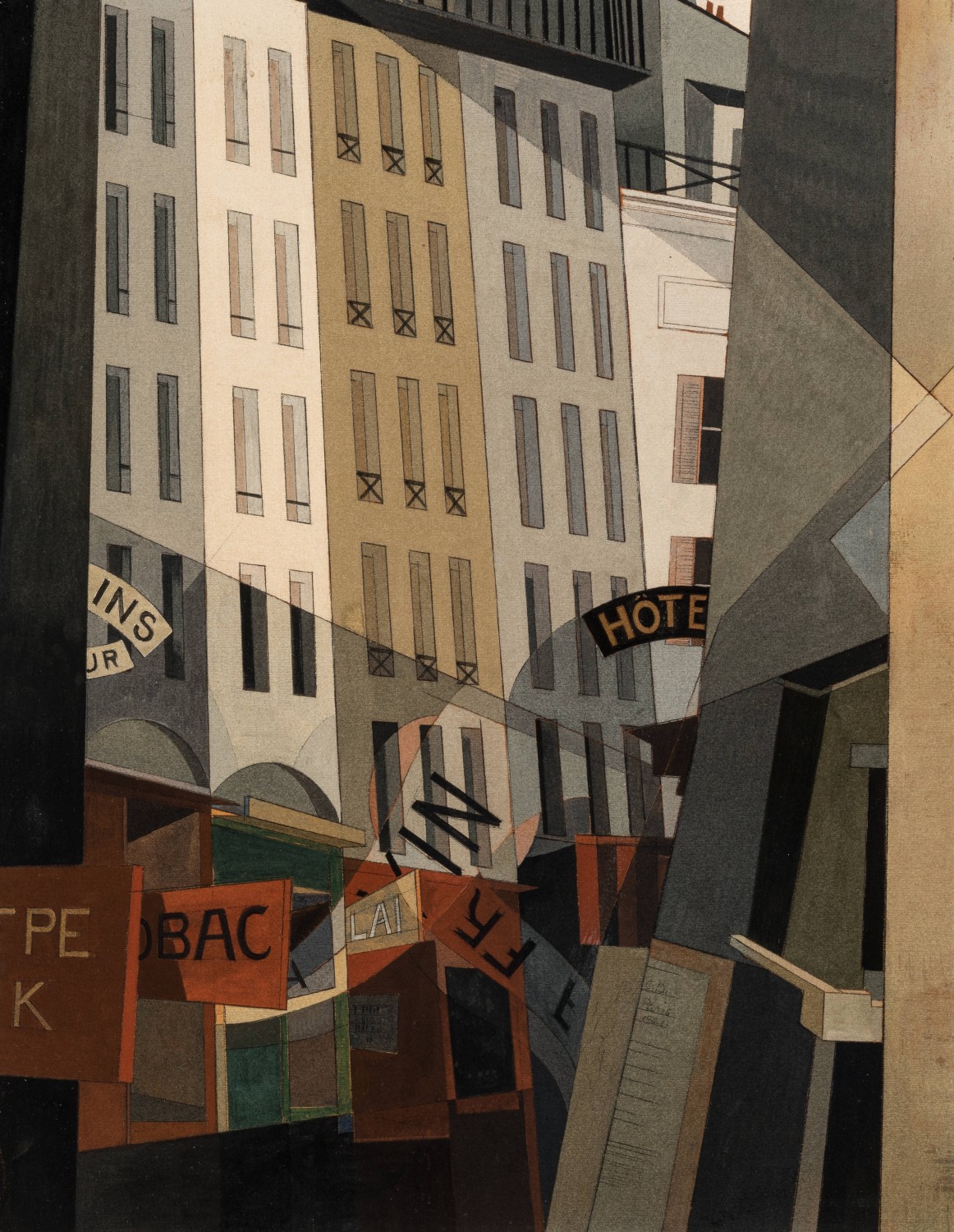
Ault is sometimes connected with Precisionism, an American art movement in which O’Keeffe, Demuth, and Charles Sheeler (American, 1883-1965) were important participants. Precisionists simplified the forms they depicted and tended to focus on industrial or urban subjects. Some, like Demuth in Street of the Monkey Who Fishes, applied Cubist fracturing to their compositions. The flatness of the architectural planes in Ault’s Bright Light at Russell's Corners is typical of Precisionism, but he didn’t share the Precisionist’s attraction to urban and industrial themes.
“It is only by selection, by elimination, by emphasis, that we get at the real meaning of things.” – Georgia O’Keeffe
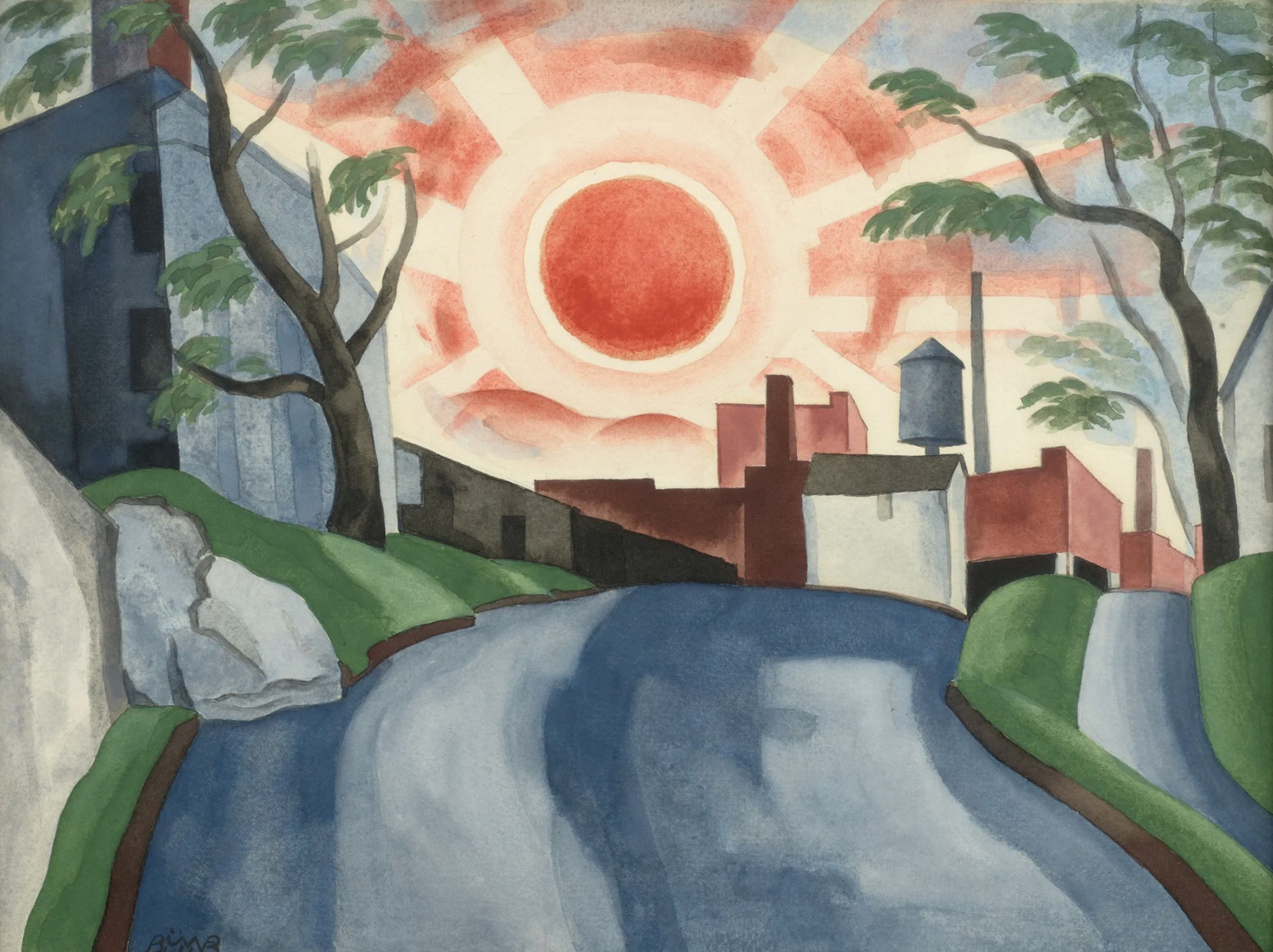
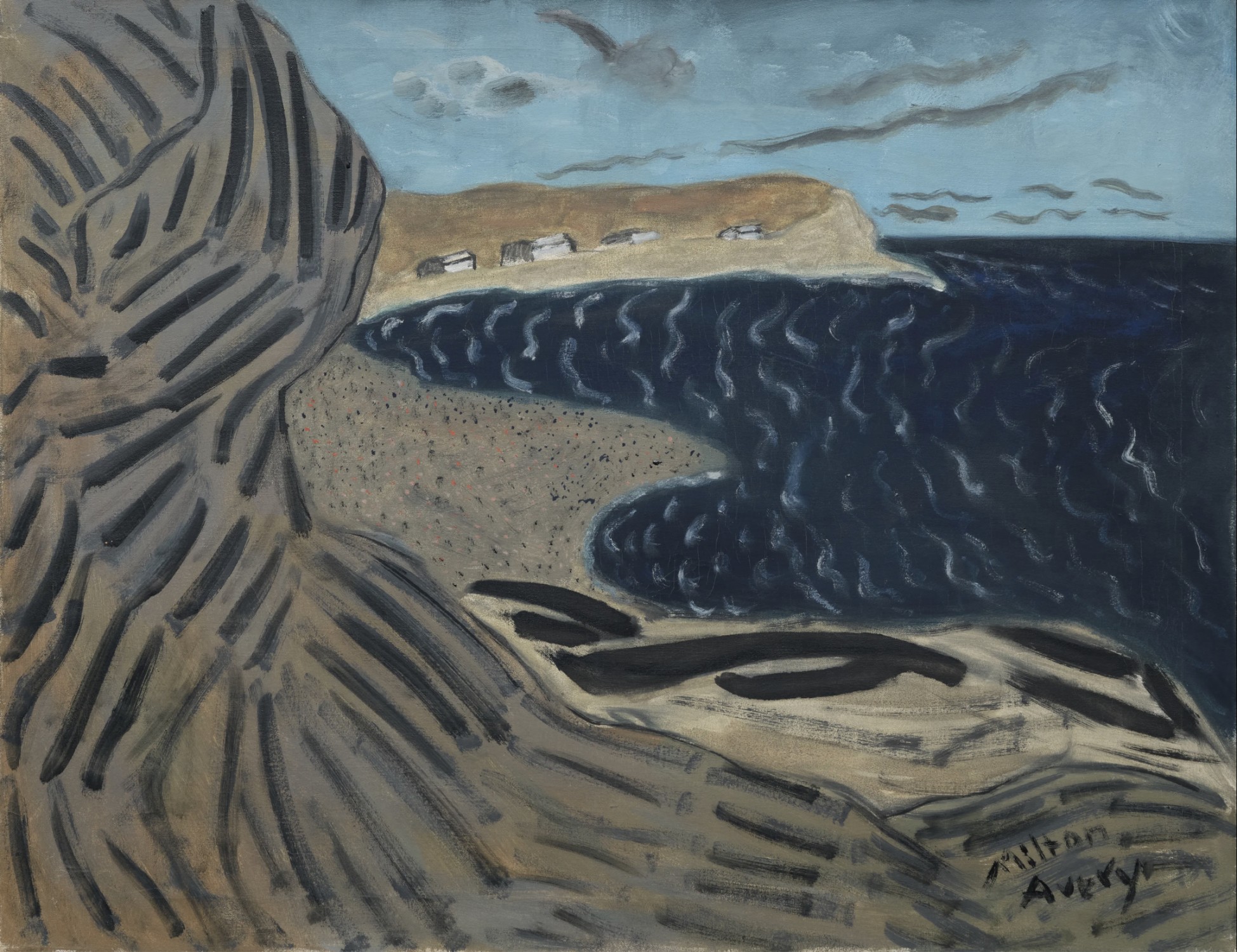
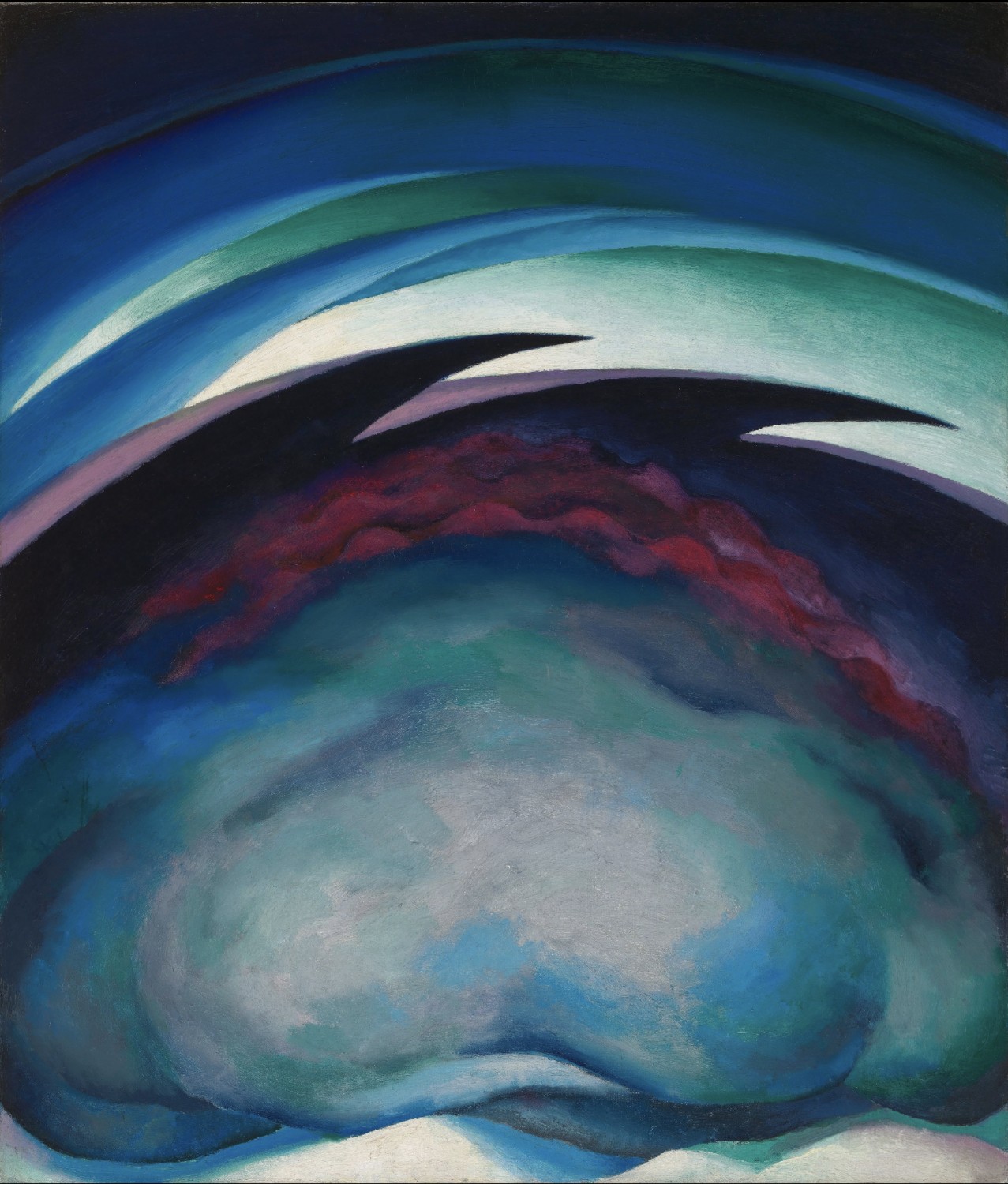
Abstraction comes most quickly to mind when one hears the word Modernism and several of the artists in this slide show are known for their use of abstract forms. Bluemner, who was born and trained in Germany, began to use more abstraction and brighter color upon meeting Stieglitz around 1910. Hartley had lived for extended periods in Munich where he became friends with the Expressionist artists Wassily Kandinsky (Russian-French, 1866-1944) and Franz Marc (German, 1880-1916). Inspired by his reading of Transcendentalist writers Ralph Waldo Emerson and Henry David Thoreau and by contact with Kandinsky, Hartley viewed are as a spiritual quest and used abstraction to create associations beyond physical appearances. Milton Avery (American, 1885-1965, whose figural paintings were the subject of Viewing Room 48 irequireart.substack.com/p/viewing-room-48), Dove, and O’Keeffe, all believed in beginning from the experience of nature and using abstraction to reach the essential nature of their subjects. Dove, in fact, referred to his abstract works as “extractions” to signify their continued connection to the forms that inspired them. Series I – From the Plains is an example of the extremely abstract compositions that O’Keeffe experimented with in the first two decades of the 20th century. She followed these with Precisionist views of New York City (see Chance Encounters 32 irequireart.substack.com/p/chance-encounters-edition-32) before turning to the enlarged flowers and desert landscapes for which she is best known.
Inspired by the rapidly changing world of the late 19th and early 20th centuries, Modernism sought expressive forms better suited to the new industrialized, urban reality. Both European and American Modernism are comprised of a wide variety of personal styles and philosophies, as is apparent from this short discussion and from the works included below. What connects the artists of Modernism are individualism, a belief in experimentation, and a tendency toward abstraction. Combining these qualities resulted in a wonderful diversity of self-expression.
Exhibition:
“American Modernism from the Estate of a Private Collector, New York” through April 24, 2026 at Schoelkopf Gallery, 390 Broadway, 3rd Floor, New York New York, USA schoelkopfgallery.com/exhibitions/48-american-modernism-from-the-estate-of-a-private/overview
Please share your comments and questions on Substack. LINK: irequireart.substack.com/p/viewing-room-49/comments
Longer captions may not be fully visible on smaller screens. We apologize for the inconvenience.
If the caption obscures part of the artwork, click on the image to turn off the caption.